As of 2026, Malaysia is steadily tightening its regulatory grip on dangerous goods (DG) logistics. From road transport enforcement and chemical labeling to scheduled waste management and alignment with international treaties, the bar has been raised. For equipment manufacturers (producing chemical tanks, road tankers, ISO tanks, and IBCs) and logistics providers, staying compliant is no longer just about avoiding fines—it is a critical competitive edge for winning contracts with major industrial players.
Here is your comprehensive breakdown of the five essential regulatory pillars you need to navigate.
一、The Regulatory Landscape: Who Pulls the Strings?
In Malaysia, DG transport is not overseen by a single entity; instead, it relies on a multi-agency framework where different authorities manage distinct parts of the supply chain:
- DOSH (Department of Occupational Safety and Health): Acts as the gatekeeper at the source. They regulate chemical classification, labeling (GHS), and Safety Data Sheets (SDS).
- JPJ (Road Transport Department Malaysia): Controls the assets on the move. They oversee vehicle technical specifications, licensing, and roadworthiness for DG transport.
- DOE (Department of Environment): Focuses on environmental protection. They hold exclusive authority over the licensing and tracking of Scheduled Wastes (hazardous waste).
- Marine Department & CAAM (Civil Aviation Authority): Ensure seamless international alignment, governing maritime (IMDG) and aviation (IATA) dangerous goods shipments respectively.
二、Road Transport & Tank Equipment: The Technical Hard Lines
Vehicle Requirements & Hauler Qualifications (JPJ Standards)
On the road, Malaysia continues to enforce the Road Transport (Dangerous Goods Vehicle) Rules 2015. However, over the past two years (2025–2026), the government has actively pushed for closer integration with the International ADR (European Agreement concerning the International Carriage of Dangerous Goods by Road) framework. This means stricter driver training and elevated safety thresholds are now the norm.
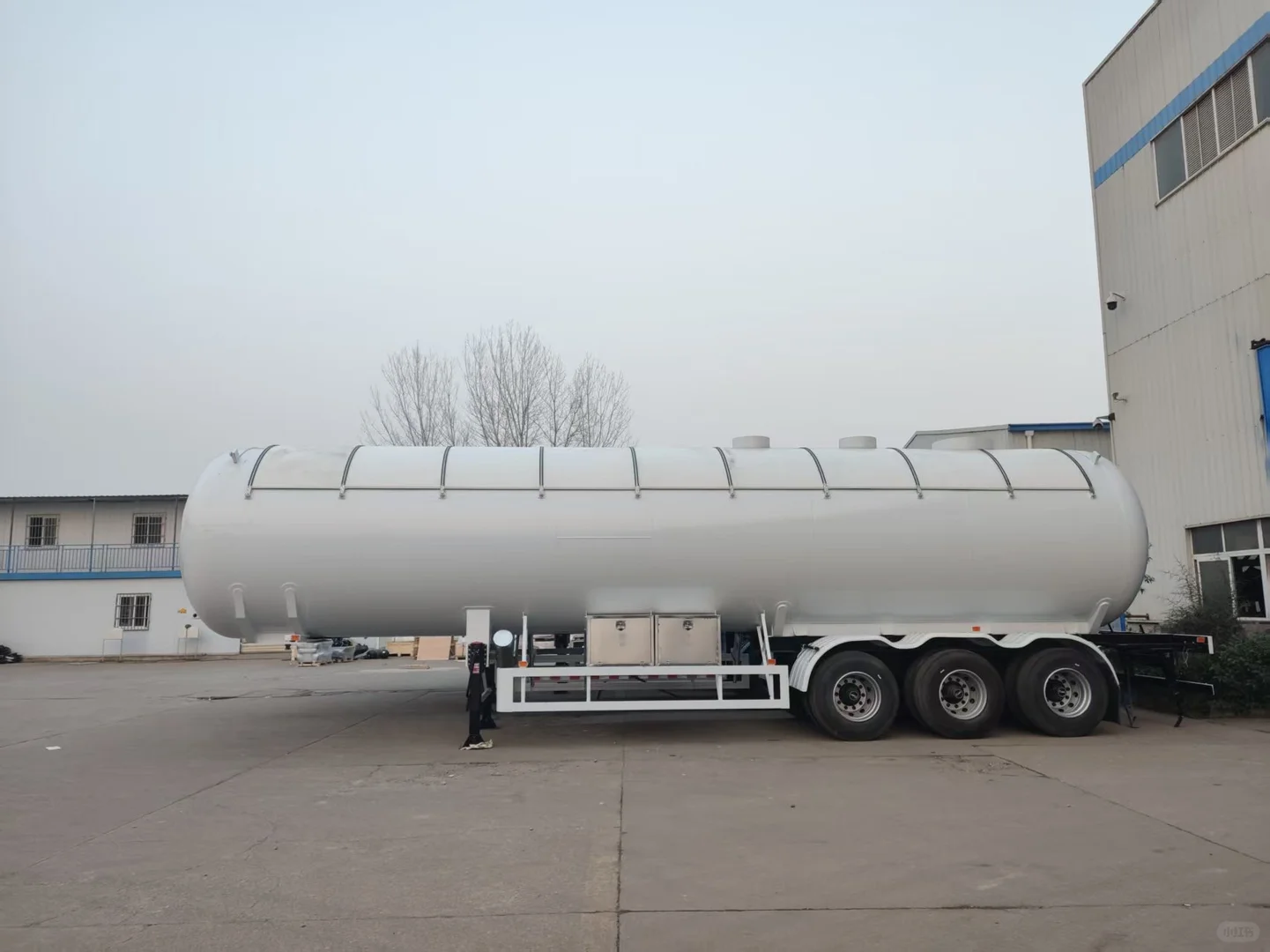
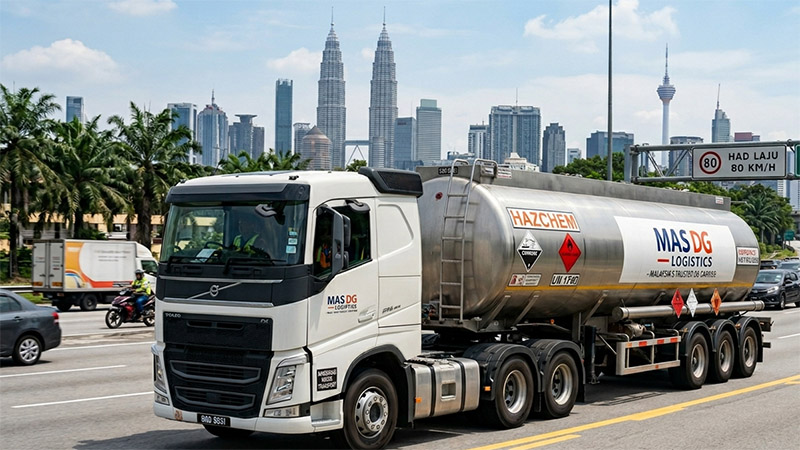
Applicable Assets: Chemical tankers, oil tankers, LPG/LNG haulers, and hazardous waste trucks.
Five Non-Negotiable Road-Readiness Pillars:
- Vehicle Certification: Every vehicle must pass JPJ’s specialized technical inspection for dangerous goods.
- Safety Engineering: Design must feature fireproofing, explosion protection, and mandatory emergency shut-off valves.
- Placarding: Compliant Hazchem placards must be clearly visible on all sides of the vehicle.
- Driver Competency: Drivers must undergo specialized DG transport training and hold valid certification.
- Emergency Readiness: Clear Emergency Response Procedures (ERP) must be carried on board at all times.
Tank Equipment Standards: The Shift Toward International Norms
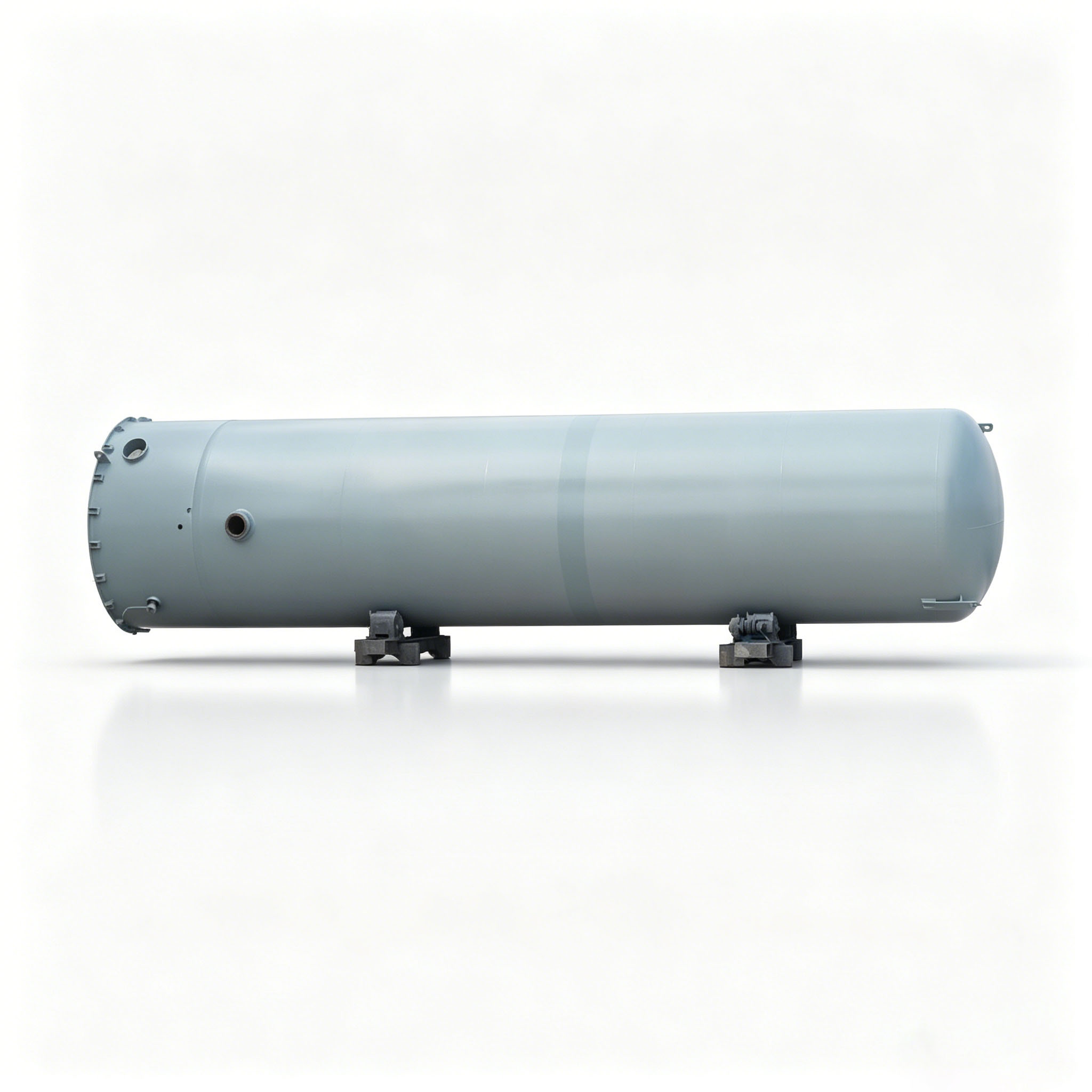
If your company manufactures or supplies Chemical Tanks, ISO Tanks, Road Tankers, or Pressure Vessels, keep this in mind: Malaysian tier-one logistics firms are increasingly rejecting localized designs in favor of internationally certified hardware.
To win tenders in this market, equipment should be certified against:
- UN Standards(UN Portable Tank): UN Recommendations on the Transport of Dangerous Goods
- Intermodal Regulations: ADR Standards (Road) and IMDG Code (Maritime)
- Container & Vessel Specifics: ISO 1496-3 (for ISO Tanks) and ASME Section VIII (for Pressure Vessels)
三、Chemical Classification & Labeling: GHS and the CLASS Regulations
The old CPL system is officially a thing of the past. Today, any hazardous chemical entering Malaysian industrial supply chains must achieve 100% compliance with the CLASS Regulations (Occupational Safety and Health (Classification, Labelling and Safety Data Sheet of Hazardous Chemicals) Regulations).
The Three Compliance Pillars:
- Rigorous GHS-aligned chemical classification.
- A fully compliant 16-section Safety Data Sheet (SDS) format.
- On-product packaging featuring correct hazard pictograms, signal words, and precautionary statements.
💡 A Note for Turnkey System Providers:
If you supply integrated storage and transport systems rather than just empty tanks, your engineering hand-over package should include more than just the hardware. Be prepared to support your clients with Chemical Compatibility Certificates, Material Selection Reports, Corrosion Assessments, and the corresponding SDS documentation.
四、Scheduled Wastes: The High-Stakes Transport Line
When transporting hazardous industrial byproducts—such as spent acids, alkalis, waste solvents, used oils, or chemical sludge—you leave standard DG territory and enter the realm of “Scheduled Wastes.”
- The Law: This sector is strictly governed by the Environmental Quality Act 1974 and the Environmental Quality (Scheduled Wastes) Regulations 2005.
- The Red Line: Standard logistics providers cannot touch these materials. Haulers must hold a specific, valid license issued by the DOE.
五、Maritime Integration: Preparing for IMDG Amendment 42-24
For logistics companies involved in import/export and port transshipment, the transition period is over. Since November 2025, Malaysian ports and liner shipping companies have been systematically rolling out the mandatory implementation of IMDG Code Amendment 42-24.
Key Focal Points for 2026:
- Digital Enforcement: A much heavier emphasis on the accuracy of Dangerous Goods Electronic Declarations (E-declarations).
- Updated Classifications: Revised declaration requirements for several specific chemical substances.
- Lithium Battery Mandates: Tighter packaging, segregation, and temperature-control protocols to mitigate the risks of the booming battery trade.
- Marking and Labelling Tweaks: Subtle updates to packaging marks mean that even minor non-compliance can lead to cargo being held at port or rejected by vessel masters.
The Bottom Line
In 2026, the blueprint for success in Malaysia’s DG sector is clear: engineer your hardware to ADR/ASME global benchmarks, and manage your operations to local CLASS and international IMDG standards. By embedding these requirements into your blueprints and standard operating procedures early, you safeguard your operations and position your business as a trusted partner in Southeast Asia’s industrial hub.