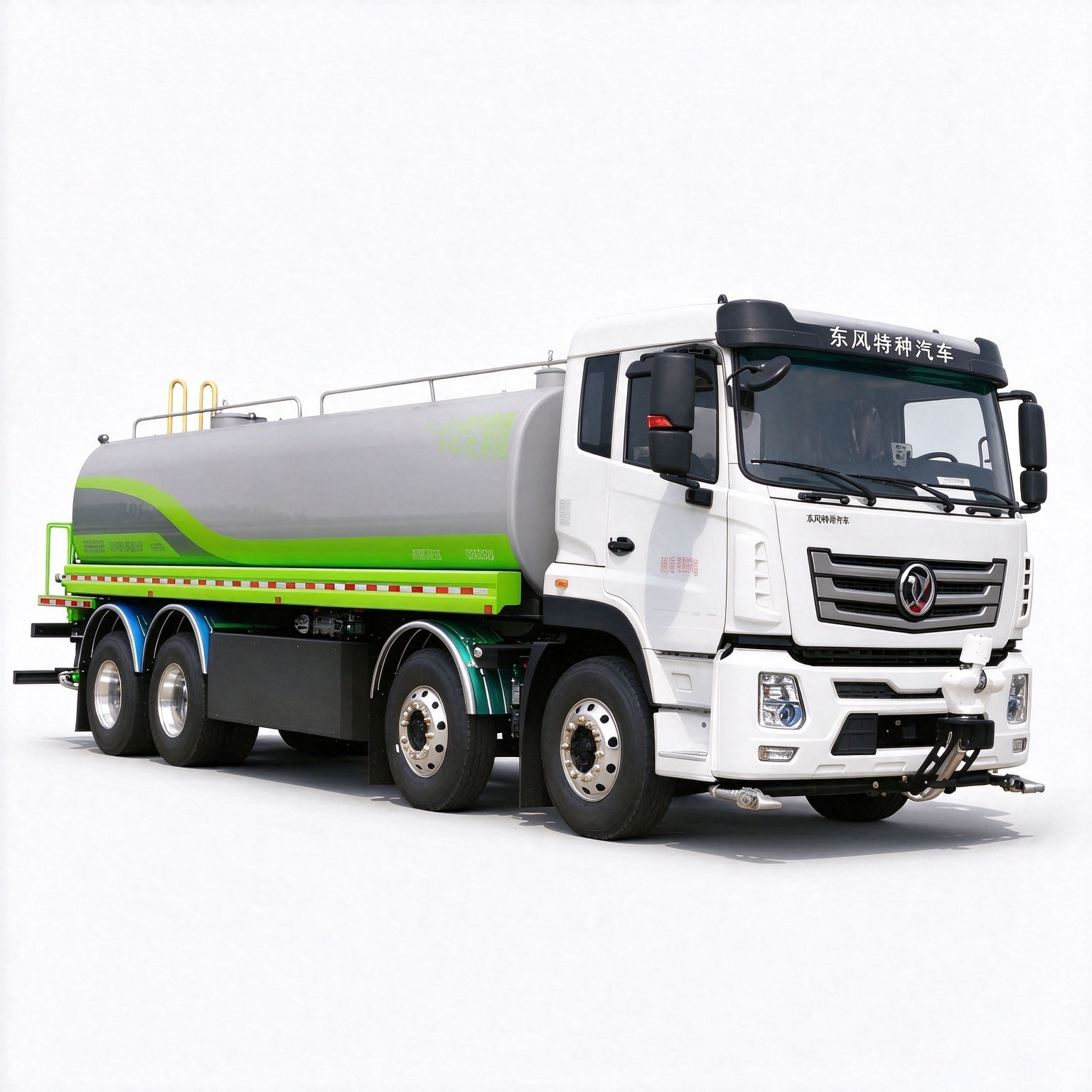
With tightening global emissions regulations and rising fuel costs, municipal sanitation departments, construction contractors, and commercial fleet operators are rapidly transitioning from traditional diesel water tankers to zero-emission pure electric sprinkler trucks.
However, electric special-purpose vehicles differ significantly from conventional diesel models in powertrain architecture, local homologation, and ocean freight compliance. Many overseas buyers only discover registration roadblocks, unexpected range drops, or charging mismatches after the vessel arrives at the destination port—issues that almost always stem from overlooking critical technical details during the inquiry and ordering stages.
As a source manufacturer with an in-house export division, we eliminate middleman markups and communication gaps by working directly with overseas buyers and distributors. Drawing on years of international export experience, here are the five core factors you must verify before placing an order:
1. Battery Performance, Real-World Range, and Charging Compatibility
The electric powertrain is the heart of the vehicle and the primary concern for fleet buyers. When evaluating driving range, never rely solely on unloaded theoretical figures. Always confirm the real-world operating range under a full water tank payload and continuous pumping conditions.
Before confirming your order, verify these three details:
- Battery Brand & Warranty Terms: Confirm the cell and pack manufacturer (such as high-safety Lithium-Iron-Phosphate / LFP batteries), cycle life, and clear warranty coverage in years or kilometers.
- Charging Standard Compatibility: Ensure the onboard charger (OBC) and DC fast-charging ports (e.g., CCS2 for Europe/Australia, CCS1 for North America, or GB/T dual-gun fast charging) match your local grid voltage and charging infrastructure.
- Dangerous Goods Shipping Documents: High-capacity lithium traction batteries are classified as Class 9 Dangerous Goods. Confirm beforehand that the factory can supply complete MSDS (Material Safety Data Sheet) and UN38.3 test reports required for ocean freight booking.
Direct Factory Advantage: We verify every battery and charging parameter prior to production, while our in-house documentation team prepares the complete dangerous goods and customs clearance dossier to ensure smooth vessel booking.
2. Local Road Registration Compliance and LHD / RHD Requirements
No matter how capable a truck is on paper, it cannot be deployed if it fails to meet your local transport authority’s homologation standards.
Lock in these mandatory regulatory requirements before production begins:
- Homologation & Certification: Identify the exact certificates required for customs clearance and licensing, such as EU WVTA / CE, GCC for Gulf states, or a COC (Certificate of Conformity).
- Steering Configuration (LHD vs. RHD): Confirm your target market’s driving side. Exports to Southeast Asia, Australia, New Zealand, the UK, and parts of Africa require factory-built right-hand drive chassis. For buyers seeking a proven, heavy-duty RHD model, explore our Dongfeng 8×4 Pure Electric Sprinkler Truck – 25m³, Right-Hand Drive, engineered on a factory right-hand drive chassis with a 312.83 kWh LFP battery and dual-gun fast charging for large-scale municipal and infrastructure operations.
- Road Safety & Lighting Standards: Verify local rules regarding maximum gross vehicle mass (GVM), axle load limits, side-marker light colors, and reflective markings.

3. Application-Matched Chassis and Superstructure Specs
Sprinkler trucks operate across vastly different environments—urban asphalt roads, mining haul roads, dusty construction sites, and municipal green belts—each demanding tailored tank and spray configurations.
Align with your supplier’s engineering team on the following specifications:
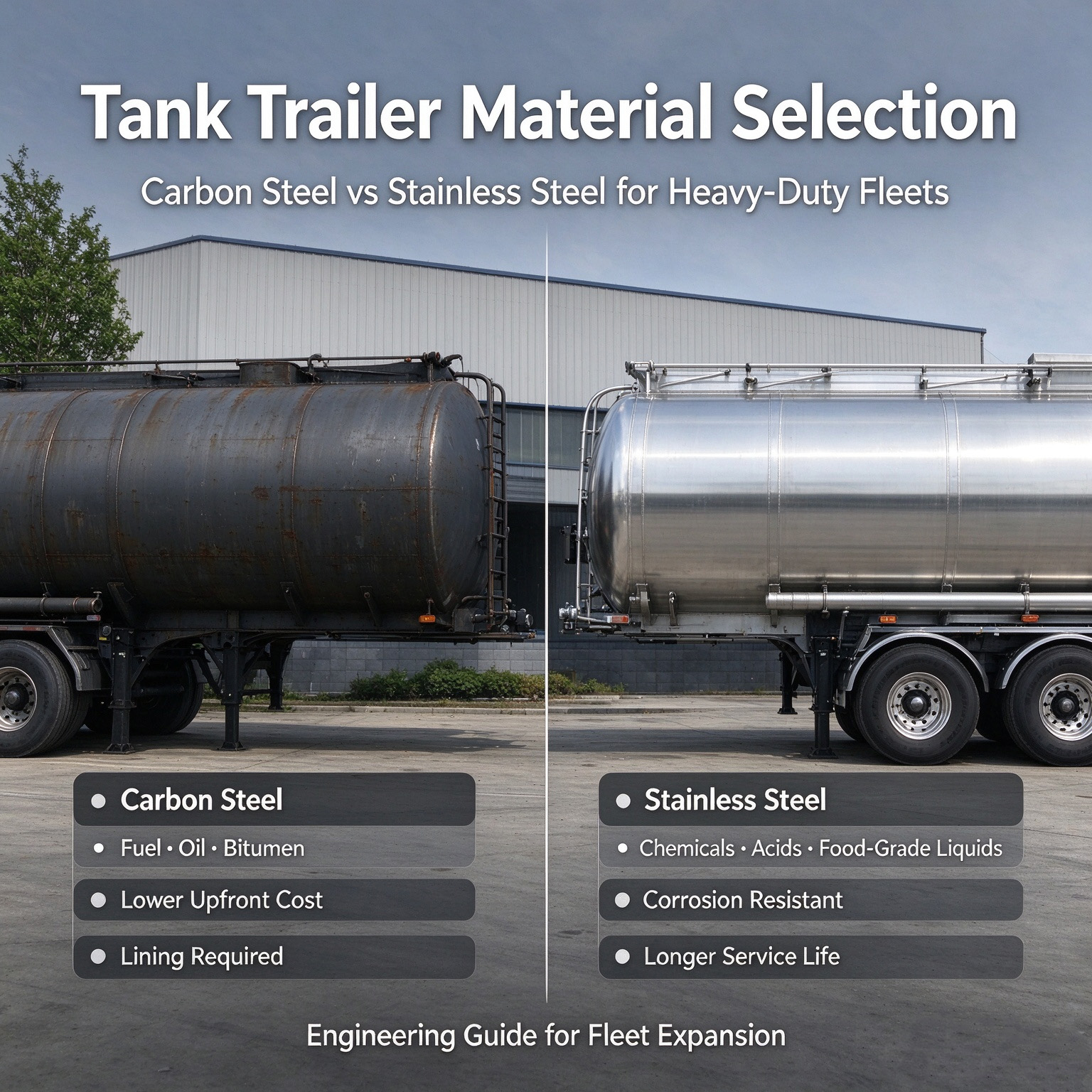
- Tank Material & Capacity: Select anti-corrosive coated carbon steel or 304 stainless steel depending on water quality (e.g., reclaimed water, hard mining water, or municipal tap water), and choose a tank volume (such as 10m³, 15m³, or 25m³) compliant with local bridge and road weight limits.
- Multi-Functional Spraying System: Specify required nozzles and pumps, including front duck-bill flushers, rear sprinklers, side sprays, high-pressure misting rings, rear green-water cannons, self-priming pumps, and cab-controlled pneumatic ball valves.
- Gradeability & Motor Output: For mining areas or hilly terrain, check the drive motor’s rated/peak power and maximum gradeability to guarantee reliable performance under full payload.
4. After-Sales Technical Support and Spare Parts Supply
For overseas buyers of new-energy commercial vehicles, maintenance responsiveness directly determines fleet uptime. Because an electric water truck integrates both high-voltage electric control systems and pneumatic/hydraulic water piping, reliable factory backing is essential.
Ensure your supplier provides:
- Complete English Documentation: English Operation & Maintenance Manuals, full electrical schematics, and illustrated spare parts catalogs delivered with the vehicle.
- Direct Factory Engineer Support: Direct remote diagnostics from factory electrical and hydraulic engineers when troubleshooting fault codes—without messages getting lost through trading intermediaries.
- Direct OEM Parts Dispatch: Ready stock of core powertrain components, water pumps, pneumatic ball valves, and spray nozzles available for fast international courier dispatch.
5. Transparent Commercial Terms and Specialized Ocean Freight
Shipping pure electric trucks involves strict maritime regulations for lithium batteries. Whether shipped via Ro-Ro (Roll-on/Roll-off) vessel or Flat Rack container, booking lead times, lashing requirements, and port dangerous-goods declarations require specialized handling and dedicated fees.
- Itemized Proforma Invoice (PI): All vehicle specs, optional equipment costs, production lead times, payment terms, and Incoterms (FOB, CIF, or DDP) should be clearly itemized in the PI to eliminate hidden charges.
- In-House Export Execution: Our dedicated export team manages factory loading supervision, specialized vessel booking, dangerous goods declarations, and full export documentation directly—ensuring zero miscommunication and predictable delivery schedules.
Final Thoughts
Investing in a pure electric sprinkler truck delivers substantial long-term savings in fuel and maintenance while meeting modern sustainability mandates. Conducting thorough technical and regulatory due diligence before production prevents costly port delays and operational headaches.
Planning an electric sprinkler truck procurement? Share your target country regulations, operating conditions, and required tank capacity with our team—our engineers and export specialists will configure a tailored solution and provide a transparent factory-direct quotation.