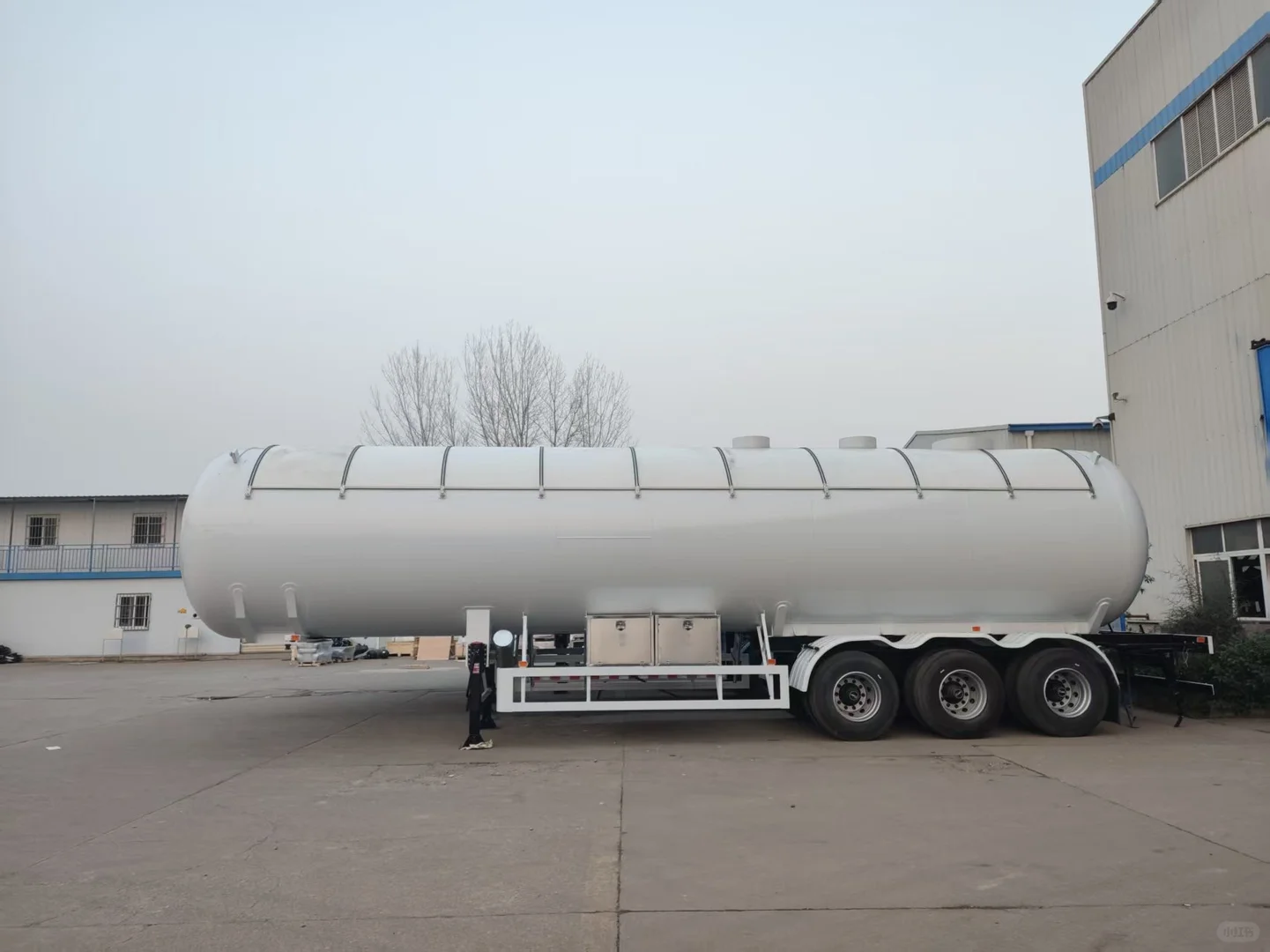
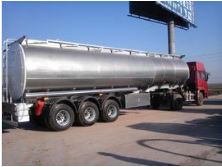
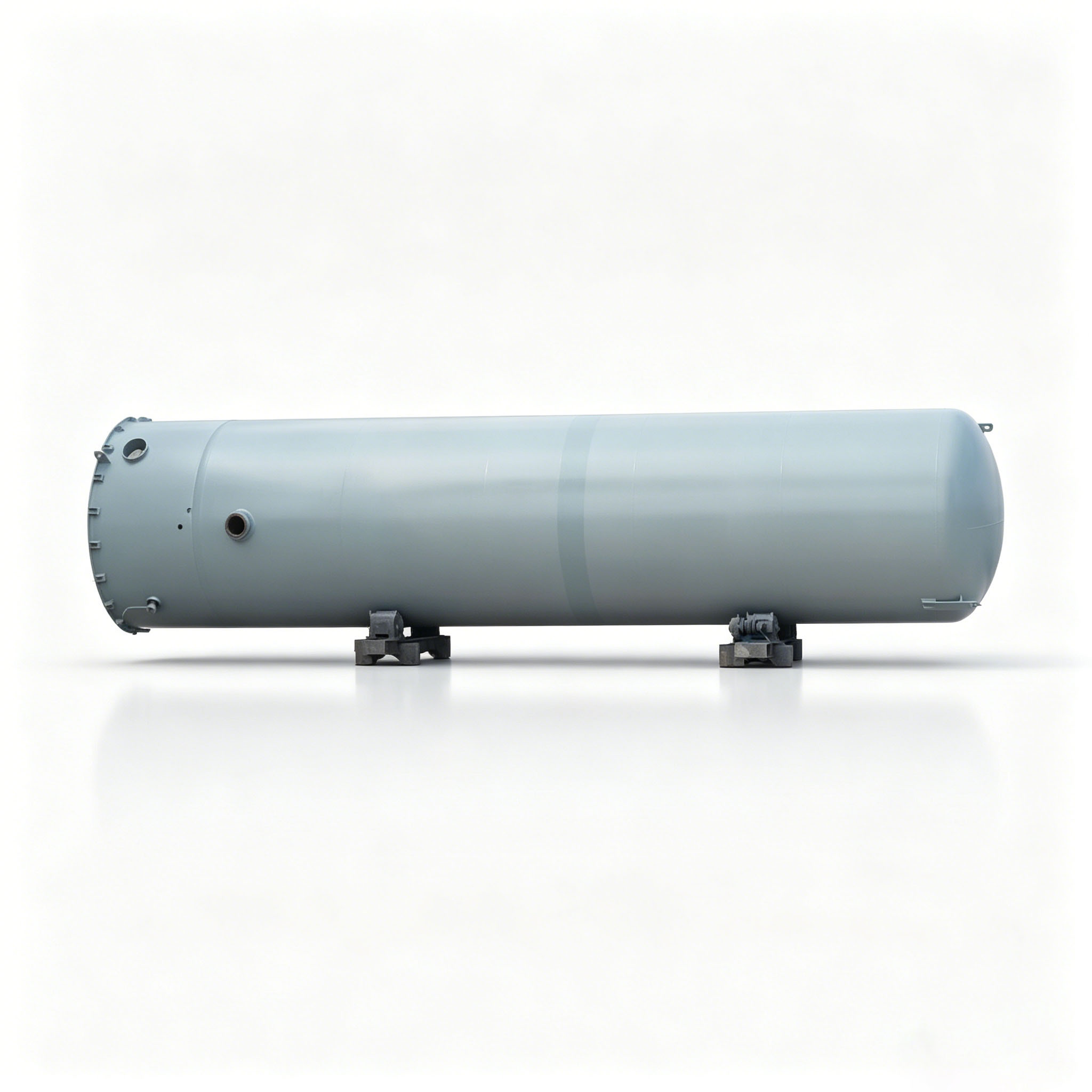
Transporting liquid caustic soda (sodium hydroxide, NaOH) is a staple of industrial logistics and warehousing. However, liquid caustic is highly corrosive, has a high freezing point (making it prone to crystallization), and causes caustic embrittlement in certain metals depending on its concentration and temperature. Consequently, storage and transport tank selection must strictly align with the specific properties of the chemical.
To simplify your selection process, we have compiled a definitive guide covering the mainstream tank materials used for NaOH transport and storage, categorized by allowable concentration, optimal temperature, pros and cons, and typical applications.
1. 316L Stainless Steel (SS316L) Tanks
The Industry Standard & Preferred Choice for Hazardous Material Transport
- Allowable Concentration: ≤ 50% NaOH
- Optimal Temperature: ≤40℃ (short-term exposure up to ≤50℃ is acceptable; risks escalate significantly above 60℃).
- Pros:
- High Purity: Minimal iron ion release guarantees high-purity caustic, making it ideal for the electronics, pharmaceutical, and premium textile sectors.
- Global Versatility: It is the standard material for ISO tank containers, offering excellent compatibility for multimodal international transport.
- Superior Corrosion Resistance: Offers excellent caustic resistance and superior weld-zone resistance to intergranular corrosion (safer than SS316).
- Robust Mechanical Properties: High structural strength, impact resistance, and pressure tolerance make it ideal for road tankers and mobile transport.
- Cons:
- High Cost: Significantly more expensive than SS304 and vastly pricier than carbon steel.
- Temperature Limitations: Temperatures exceeding 50℃ or concentrations above 50% accelerate corrosion and caustic embrittlement.
- Embrittlement Risks: Without high-specification post-weld heat treatment (PWHT) for stress relief, welds remain susceptible to cracking at elevated temperatures.
- Typical Applications: Ambient-temperature transport of 30% to 50% liquid caustic; hazardous material road tankers; and buffer/turnaround tanks.
2. 304 Stainless Steel (SS304) Tanks
Suitable Only for Low-Concentration, Ambient-Temperature Applications
- Allowable Concentration: ≤ 30% NaOH (can tolerate up to 35% under duress; not recommended).
- Optimal Temperature: ≤ 40℃ (temperatures above 50℃ trigger severe caustic embrittlement).
- Pros: Cost-effective, easy to fabricate, and provides good mechanical strength.
- Cons:
- Welds exhibit poor caustic resistance and are highly prone to cracking and leakage under high concentrations or elevated temperatures.
- Strictly prohibited for transporting 48% or 50% liquid caustic.
- Typical Applications: Stationary storage tanks for low-concentration ≤ 30% caustic at ambient temperatures. Not recommended for mobile tankers.
3. Carbon Steel (CS) Tanks
Cost-Effective, but Restricted to Specific High-Concentration, Ambient-Temperature Conditions
- Allowable Concentration: 30% to 50% commercial-grade concentrated caustic. (Unsuitable for highly diluted caustic, as dilute solutions cause faster uniform corrosion than concentrated ones).
- Optimal Temperature: ≤ 40℃ for a 50% concentration.
- Note: 50% caustic soda crystallizes at approximately 12℃. While mild tracing/heating is required in winter, the temperature must be rigorously regulated.
- Pros: Extremely economical, offers maximum mechanical strength, and is ideal for large-volume storage.
- Cons:
- Narrow Safety Margin: Any over-temperature excursion can trigger sudden, catastrophic caustic embrittlement cracking, leading to severe leaks.
- Unlined tanks suffer from ongoing corrosion and pose a high risk of weld embrittlement.
- Product Contamination: Elevates iron ion levels, discoloring the caustic soda.
- Typical Applications: Stationary in-plant storage tanks operating at low temperatures; must be approached with extreme caution for transport applications.
4. Steel-Lined Plastic Tanks (Carbon Steel + PE/PP Lining)
The Most Balanced and Cost-Effective Hybrid Solution
- Allowable Concentration: ≤ 50% NaOH
- Optimal Temperature: ≤ 60℃ for Polyethylene (PE) linings; ≤ 80℃for Polypropylene/Beta-PP (PP/PPH) linings.
- Pros:
- Combines the mechanical strength of carbon steel with the corrosion resistance of plastics, offering high capacity, excellent pressure tolerance, and moderate pricing.
- Eliminates the risk of iron ion contamination.
- Cons:
- Linings carry risks of seam failure or delamination, requiring routine internal inspections.
- Exceeding temperature limits can cause the lining to blister, warp, or detach.
- Typical Applications: Storage tanks for 48% and 50% liquid caustic, large stationary tanks, and lined road tankers or barges.
5. HDPE/XLPE Plastic Tanks
Best for Small-to-Medium, Low-to-Medium Concentration, Ambient-Temperature Applications
- Allowable Concentration: ≤ 40% NaOH
- Optimal Temperature: ≤ 50℃ for long-term exposure; ≤ 60℃ for short-term exposure.
- Pros:
- Immune to Embrittlement: Non-metallic materials completely bypass the mechanism of caustic embrittlement, ensuring absolute safety within approved temperatures.
- Lowest upfront cost (approximately 1/3 to 1/2 the price of SS304), seamless construction, and zero risk of corrosion.
- Lightweight, easy to install, and virtually maintenance-free.
- Cons:
- Lacks high-temperature and pressure resistance; prone to UV aging (typically yields a 5–10 year outdoor lifespan).
- Unsuitable for 50% concentrated caustic or large-scale storage (generally capped at ≤50m³).
- Thermal Shock Vulnerability: If the caustic crystallizes in winter, high-temperature steam must never be used for direct heat tracing, as it will soften, deform, or delaminate the plastic.
- Typical Applications: Storage of 30%–32% liquid caustic, small-to-medium process tanks, water treatment facilities, and short-haul, low-volume transport.
6. FRP (Fiber-Reinforced Plastic) Tanks
Designed for Medium-to-High Concentrations & Moderate Temperatures in Stationary Settings
- Allowable Concentration: ≤ 50% NaOH (requires high-grade vinyl ester resins for 50% concentration).
- Optimal Temperature: ≤ 60℃
- Pros: Excellent caustic resistance, lightweight, non-corrosive, and scalable to large dimensions. It is more economical than stainless steel and offers better thermal resistance than PE.
- Cons: Poor impact resistance, prone to UV and structural aging, and structurally unsuitable for mobile road tankers. Repairs are difficult, and long-term structural strength degrades over time.
- Typical Applications: Stationary in-plant storage tanks for 48% liquid caustic at ambient or moderate temperatures. Not suitable for transportation.
7. Nickel-Based Alloys (e.g., Nickel 200/201)
Engineered Exclusively for Extreme Industrial Conditions
- Allowable Concentration: Full spectrum (1% to 100% NaOH).
- Optimal Temperature: ≤ 150℃. Pure nickel exhibits near-perfect corrosion resistance and complete immunity to caustic embrittlement in boiling, highly concentrated caustic environments.
- Pros: Peak chemical resistance and high-temperature tolerance.
- Context: 73% concentrated caustic is a solid at room temperature (melting point 62℃). To keep it liquid during transport and transfer, it must be heated to 80℃–100℃. Pure nickel is the only metal capable of long-term, safe operation under these conditions.
- Cons: Prohibitively expensive (often exceeding 10times the cost of SS316L).
- Typical Applications: High-temperature, high-concentration caustic processes (e.g., 50% concentration at 80℃). As a strategic and precious metal, it is strictly reserved for evaporation/concentration units or highly specialized, high-end logistics—rarely used for standard transport.
Quick Scenario Matrix for Procurement Decisions
- Bulk Road Transport (Domestic Mainstream): Opt for Steel-Lined Plastic (CS+PO/PP) tankers or Carbon Steel tankers (with strict ambient temperature controls). Lined options offer the best safety without product contamination, while carbon steel provides the lowest capital expenditure.
- International Multimodal / High-Purity Logistics: Prioritize SS316L ISO Tanks. Ensure the cargo is shielded from extreme solar heat to prevent the core temperature from breaching 50℃.
- In-Plant Day Tanks / Dilute Caustic Distribution: All-plastic (PE/PP) or FRP tanks represent the most economical, maintenance-free options.
- Extreme Concentrations (>70% NaOH): Pure Nickel (Nickel 200) is non-negotiable.
Key Takeaways for Transport Logistics
- Standard Transport: For shipping standard 30%, 48%, or 50% liquid caustic at ambient temperatures, SS316L tankers are the gold standard for safety and regulatory compliance.
- Budget Constraints: For localized, short-haul runs or stationary storage with tight budgets, opt for Steel-Lined PP or HDPE tanks.
- Strict Prohibitions: NEVER use SS304 to transport $50\%$ liquid caustic, and NEVER use unlined carbon steel for elevated-temperature or highly diluted caustic solutions.