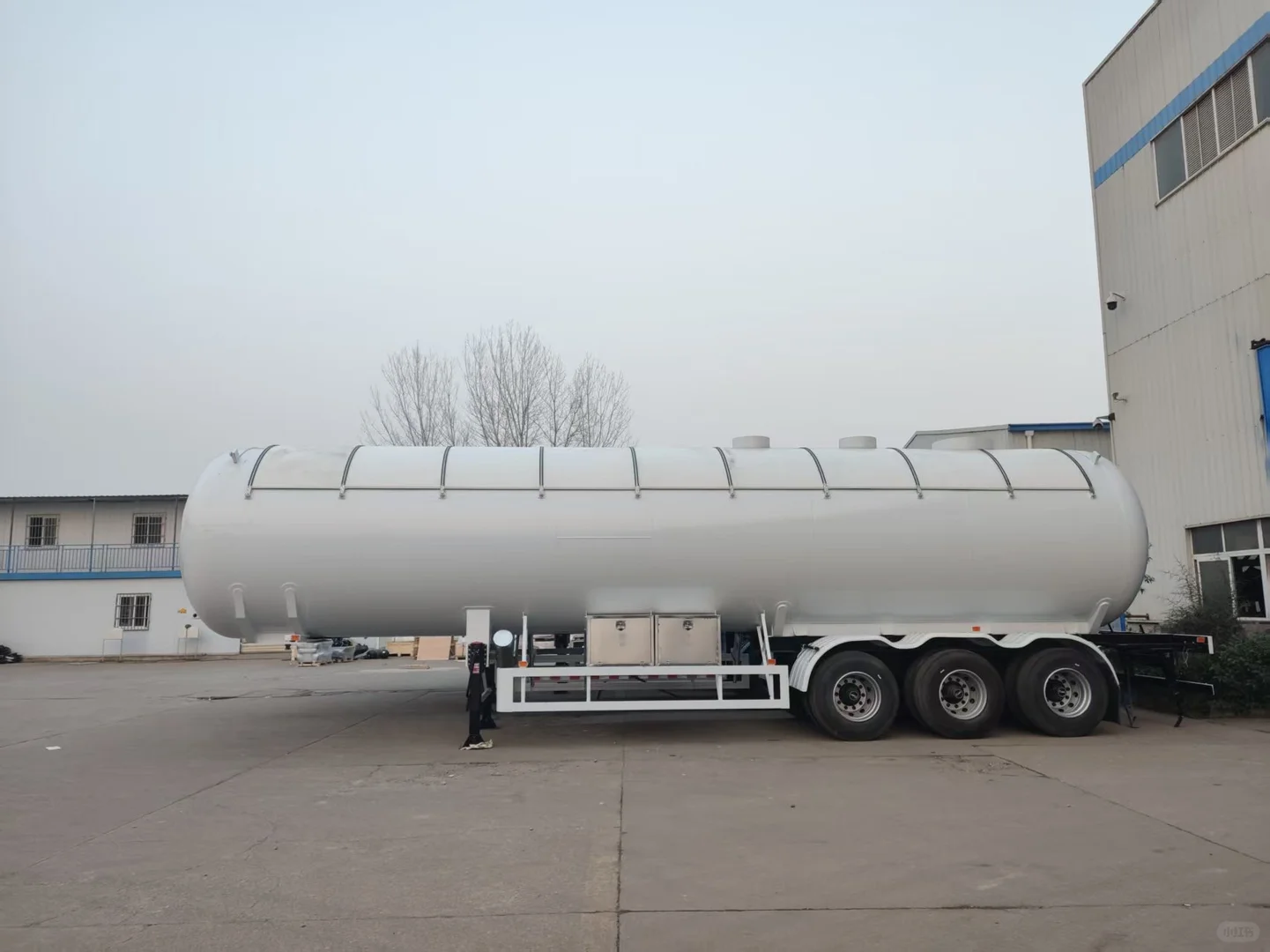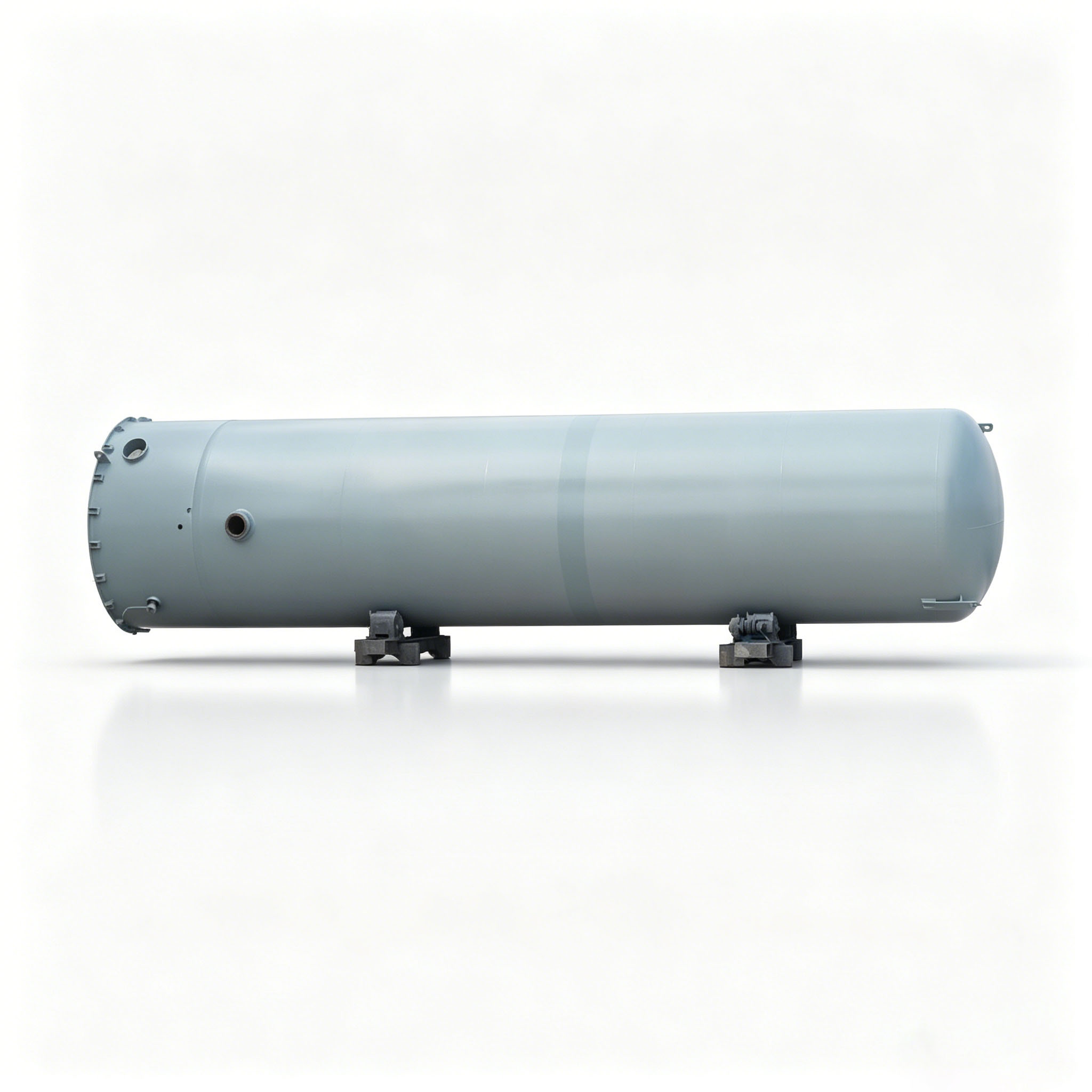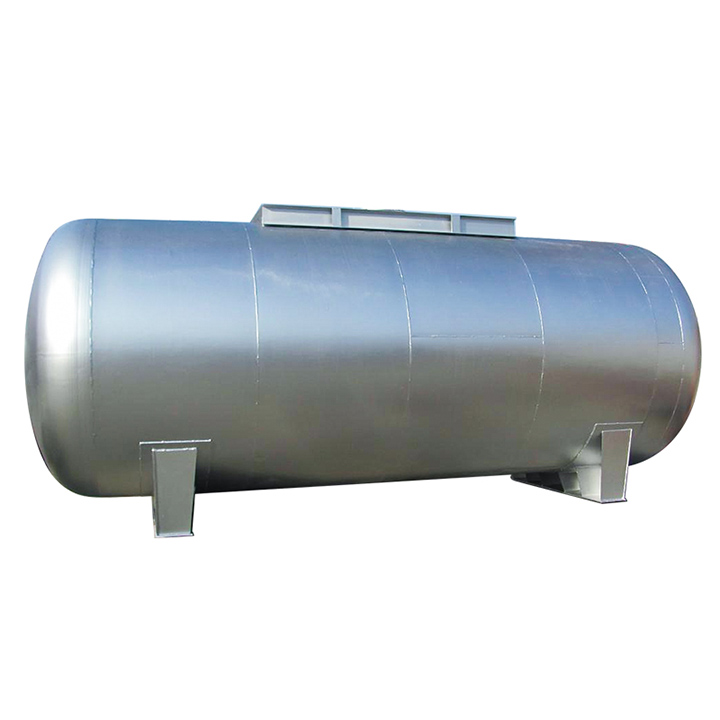
Let’s clear up a common mix-up. What is the real deal between a UN Portable Tank and an ISO Tank? Honestly, it boils down to one simple sentence: “ISO Tank” is all about the physical shape and logistics, while “UN Portable Tank” dictates the safety codes and legalities.
In the global bulk chemical and gas trade, it is never a matter of one replacing the other. They are just two different angles of looking at the exact same equipment.
The Core Differences at a Glance
| Comparison | ISO Tank | UN Portable Tank |
| What it defines | Standardization of physical shape and geometric dimensions. | Compliance with safety design and hazardous goods transport regulations. |
| Who sets the rules | ISO (International Organization for Standardization). | UN (United Nations Committee of Experts on the Transport of Dangerous Goods). |
| The Main Goal | Making sure the tank fits perfectly onto container ships, dock locks, and trailer chassis. (Solving the “how to move it” puzzle). | Making sure the tank won’t blow up or leak when carrying hazardous cargo across oceans or highways. (Solving the safety compliance puzzle). |
| Key Specs | 20ft, 30ft, 40ft; standard corner castings. | T-Codes (like T11, T50, T75); design pressure, relief valve configurations, wall thickness. |
| How they overlap | In the real world, over 95% of ISO Tanks carrying hazardous chemicals must meet UN Portable Tank standards at the same time. | A UN tank doesn’t strictly need an ISO frame—though almost everyone uses one just to make shipping easier. |
Getting into the Weeds: A Deeper Look
1. Where they look: The “Outside” vs. the “Inside”
ISO Tank (Looking at the Outside):
Think about it this way: the International Organization for Standardization (ISO) doesn’t care what you put inside the tank. They only care if the tank is too wide or too long, because nobody wants a rogue tank blocking other containers on a massive container ship.
That is why they strictly regulate the outer frame dimensions—most commonly the 20-foot standard size of 20*8*8.5ft—and those four lifting corner castings. If the dimensions hit the mark and the structure is tough enough for crane lifting, it’s a qualified ISO Tank. Simple as that.

UN Portable Tank (Looking at the Inside):
Now, the UN Dangerous Goods Regulations (like the IMDG code for sea freight) couldn’t care less about your frame size. Heck, they even allow you to bolt the tank directly onto a truck chassis.
What keeps them up at night? Safety. Pure and simple. They look at the nitty-gritty:
- Is the shell made of stainless steel or carbon steel? Is the wall thick enough?
- When hauling LPG, can it take 20.5bar of non-refrigerated gas pressure to hit that T50 standard?
- For LNG, will that double-walled vacuum insulation actually prevent overpressure under freezing temperatures to meet T75?
- At what exact pressure will the safety relief valve pop open automatically?

2. The Nameplate: Which stamp carries real weight?
When you are doing a real-world cargo inspection or dealing with custom clearances, the data plate on the tank tells the whole story.
The ISO Stamp: Pass the basic test—like the CSC (International Convention for Safe Containers) certification—prove the frame can handle stacking and lifting, and boom, you get an ISO code like 22T6 stamped on it.
The UN Stamp: This is where the real paperwork begins. Third-party inspectors—we are talking top-tier names like Lloyd’s Register (LR), Bureau Veritas (BV), or China Classification Society (CCS)—have to step in. They run brutal pressure tests and non-destructive material testing. Only when the tank fully complies with ADR (for road) or IMDG (for sea) do they engrave “UN Portable Tank” along with the specific T-Code (T11, T50, or T75) onto the nameplate. That is where the real authority lies.
3. The Dealbreaker in Real-World Shipping
Let’s talk strategy. In international multimodal transport, a UN certification is a legal mandate. An ISO dimension? That is just a choice for commercial efficiency.
Picture this specific headache: You build a tank that perfectly matches a 20-foot ISO dimension down to the millimeter. But, you skip the UN Portable Tank certification, leaving it without a T-Code. What happens? Major shipping lines like Maersk or COSCO will flat out refuse to load your cargo the second they find out it’s a hazardous chemical or liquefied gas. No exceptions.
On the flip side, what if you manufacture a specialized pressure vessel that completely ignores standard ISO dimensions—say, you made it extra wide to cram in more volume? As long as it passes the grueling UN Portable Tank safety tests, you can still legally move it via road transport or on specialized heavy-lift vessels as a portable tank.
Will it fit into a standard container truck slot or a regular container ship slot? No. But is it legally cleared for hazardous transport? Absolutely.