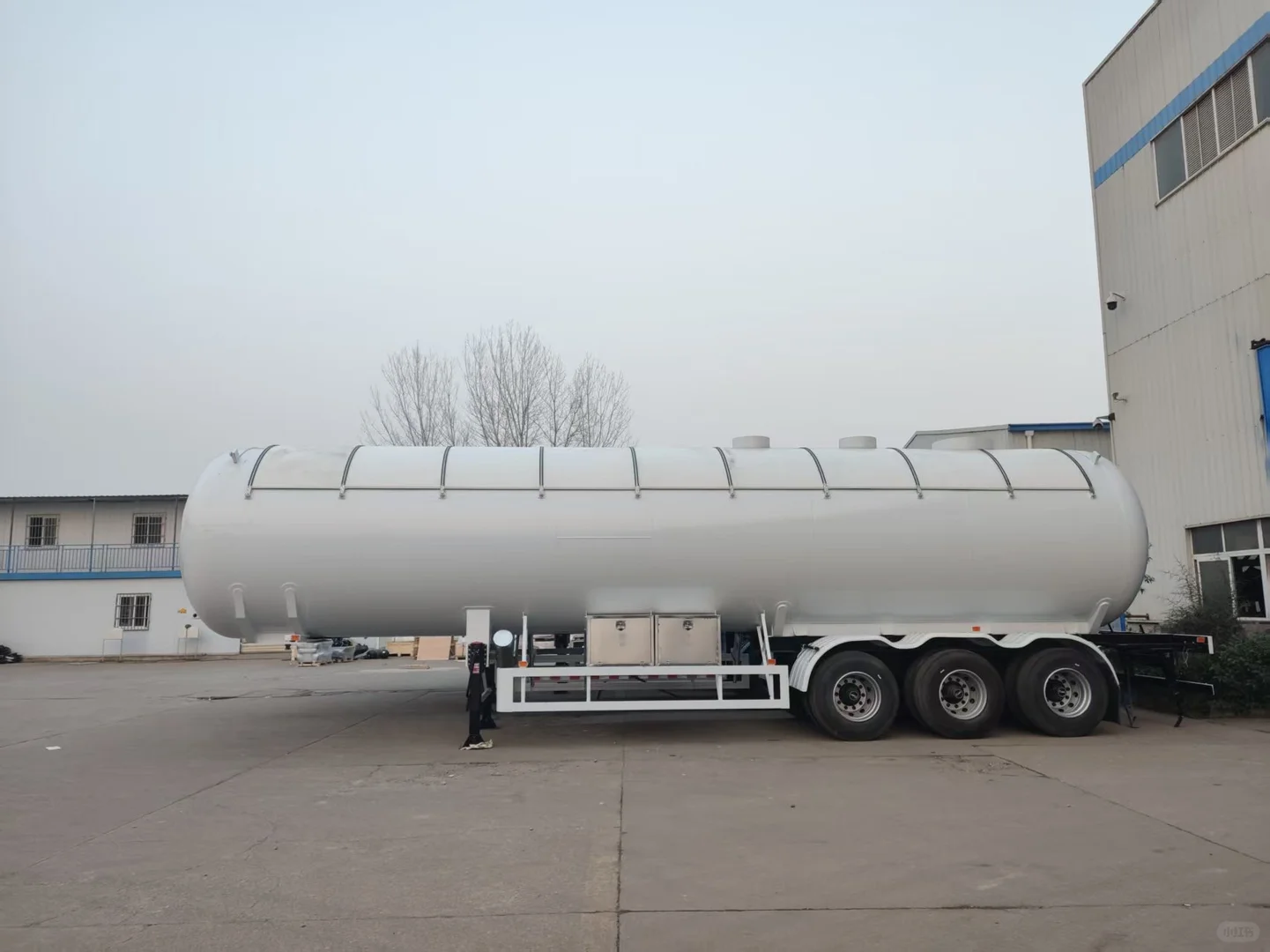
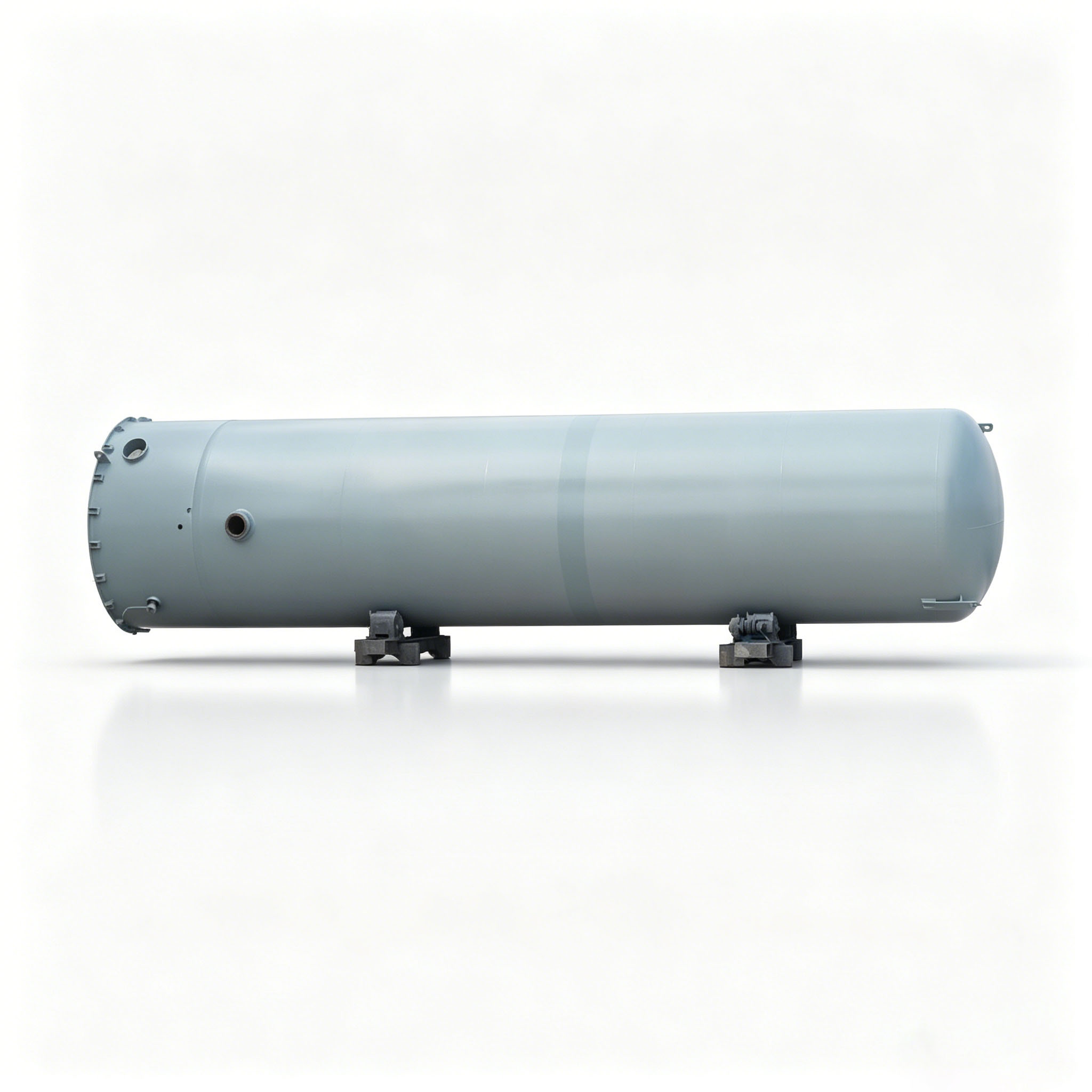
An LNG carrier refers to a purpose-built vehicle engineered for transporting Liquefied Natural Gas at a cryogenic temperature of -162℃, featuring a high-vacuum multi-layer insulated tank as its core equipment. Structurally, it consists of an insulated storage tank rigidly mounted onto a truck chassis. These vehicles primarily fall into two categories: semi-trailer tankers and ISO tank containers.
Operating an LNG cryogenic liquid semi-trailer is an engineering challenge: it must not only withstand the ultra-low temperature of -162℃ but also endure dynamic stresses such as road vibrations and potential impacts during transit.
Beyond regulatory compliance, fleet owners, logistics companies, and owner-operators prioritize three pillars when investing their capital: Return on Investment (ROI), uncompromising safety, and heavy-duty durability.

The Core Pain Points & Buyer Priorities
First. Boil-Off Rate and Thermal Insulation Performance (Direct Impact on Freight Loss)
The Pain Point: Over time, LNG inevitably vaporizes inside the tank or cylinder due to radiant heat. Poor insulation triggers rapid pressure buildup, forcing frequent venting via safety valves. Every cubic meter vented is profit vanishing into thin air.
User Requirements: Buyers look closely at the static boil-off rate (typically required to be ≤0.15%/d) and vacuum longevity. In the eyes of end-users, a premium tanker must feature flawless high-vacuum multi-layer insulation to maximize hold time before venting.
Second. Curb Weight of the Tanker (Tare Weight vs. Payload Capacity)
The Pain Point: With authorities cracking down on overloading, the golden rule of fleet logistics is simple: every pound shaved off the vehicle is a pound added to the revenue-generating cargo.
User Requirements: Manufacturers must optimize structural design to trim tare weight without sacrificing strength or safety. This is achieved through high-tensile steel outer jackets, lightweight aluminum alloy walkways, and low-weight axles. A lighter vehicle yields higher legal payload per trip, accelerating ROI.

Third. Effective Volume and Filling Rate (The Ceiling of Per-Trip Capacity)
The Pain Point: Under strict weight limits, maximizing spatial efficiency becomes critical to profitability.
User Requirements: Buyers do not just look at external dimensions; they calculate the actual effective volume (geometric volume * filling factor, typically 90% to 95%). Within standard legal width limits—such as China’s 2550mm restriction—manufacturers who optimize internal space to deliver larger capacities (e.g., 52.6 CBM LNG Semi-trailer, or more cubic meters for semi-trailers) gain a massive competitive edge.
Fourth. Vacuum Durability and After-Sales Guarantee (Life-cycle Maintenance Costs)
The Pain Point: Many low-end tankers perform well initially but lose vacuum integrity within two to three years. Constant road vibrations and the degradation of inter-layer adsorbents cause the tank to “sweat.” Restoring the vacuum is both time-consuming and prohibitively expensive.
User Requirements: The quality of the adsorbent (such as palladium oxide matrices) used in the vacuum jacket must be top-tier. Discerning buyers favor brands that offer extended vacuum warranties, integrate easily accessible vacuum valves for maintenance, and maintain a robust after-sales service network across major logistics hubs.
Fifth. Reliability of Valves and Piping Systems (Zero-Lockup, Zero-Internal Leakage at Cryogenic Temperatures)
The Pain Point: Flawed piping layouts are highly susceptible to ice-locking during winter operations.
User Requirements: The valve cabinet must feature an ergonomic, highly integrated layout. Critical components—such as emergency shut-off valves and cryogenic globe valves—must come from trusted, premium brands (e.g., Furui, REGO). Any sub-par valve that suffers internal leakage will cause pipeline freezing or fail to close during an emergency, leading to catastrophic safety and operational failures.
Sixth. Loading/Unloading Speed and Pressure Building Performance (Turnaround Efficiency)
The Pain Point: In logistics, time is money; a delayed truck is a loss-making truck.
User Requirements: Discharge speed depends entirely on the efficiency of the onboard ambient air vaporizer (pressure builder). An inefficient pressure-building system can stretch offloading times to two hours or more, disrupting the entire fleet schedule. Buyers demand high-efficiency transfer systems and couplings that seamlessly match standard terminal interfaces.
Seventh. Core Safety Configurations and Vehicle Stability (The Operational Lifeline)
The Pain Point: LNG is a hazardous Class 9 material. A rollover or rear-end collision leading to containment breach has devastating consequences.
User Requirements: The tank must utilize a low center-of-gravity design (such as a drop-belly or asymmetric profile) to minimize rollover risks. Furthermore, the rear bumper must be ruggedly reinforced to shield the rear valve cabinet from rear-end impacts, and the dual-safety-valve system must be highly responsive with certified discharge capacities.

Summary
Operating in a landscape of stringent regulations and high-risk environments, an LNG carrier is a highly sophisticated, mobile pressure vessel that relies fundamentally on “high-vacuum cryogenic insulation” to ensure safety, while driving profitability through the strategic triad of “low tare weight, minimal boil-off, and rapid throughput.”