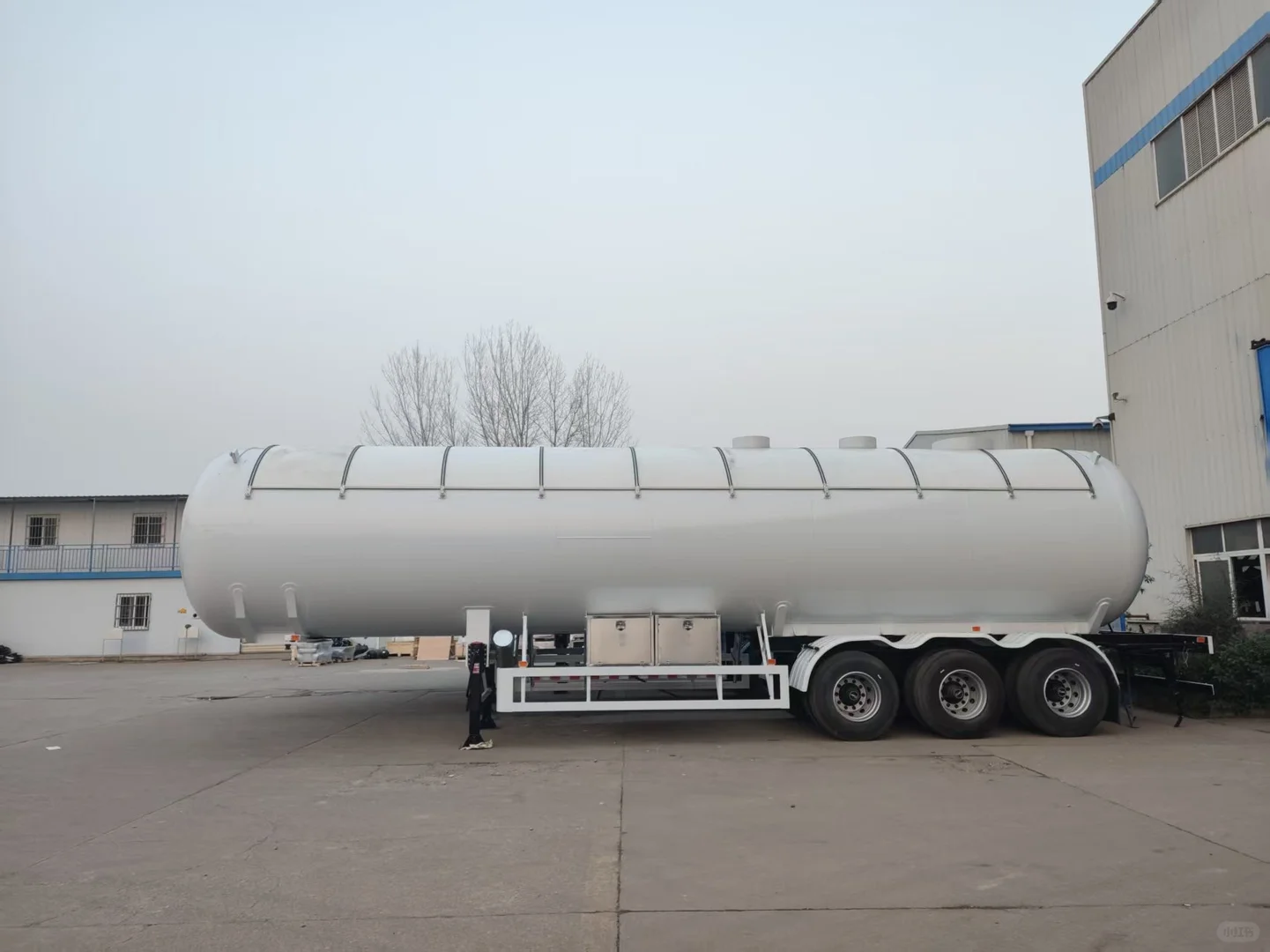
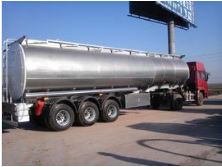
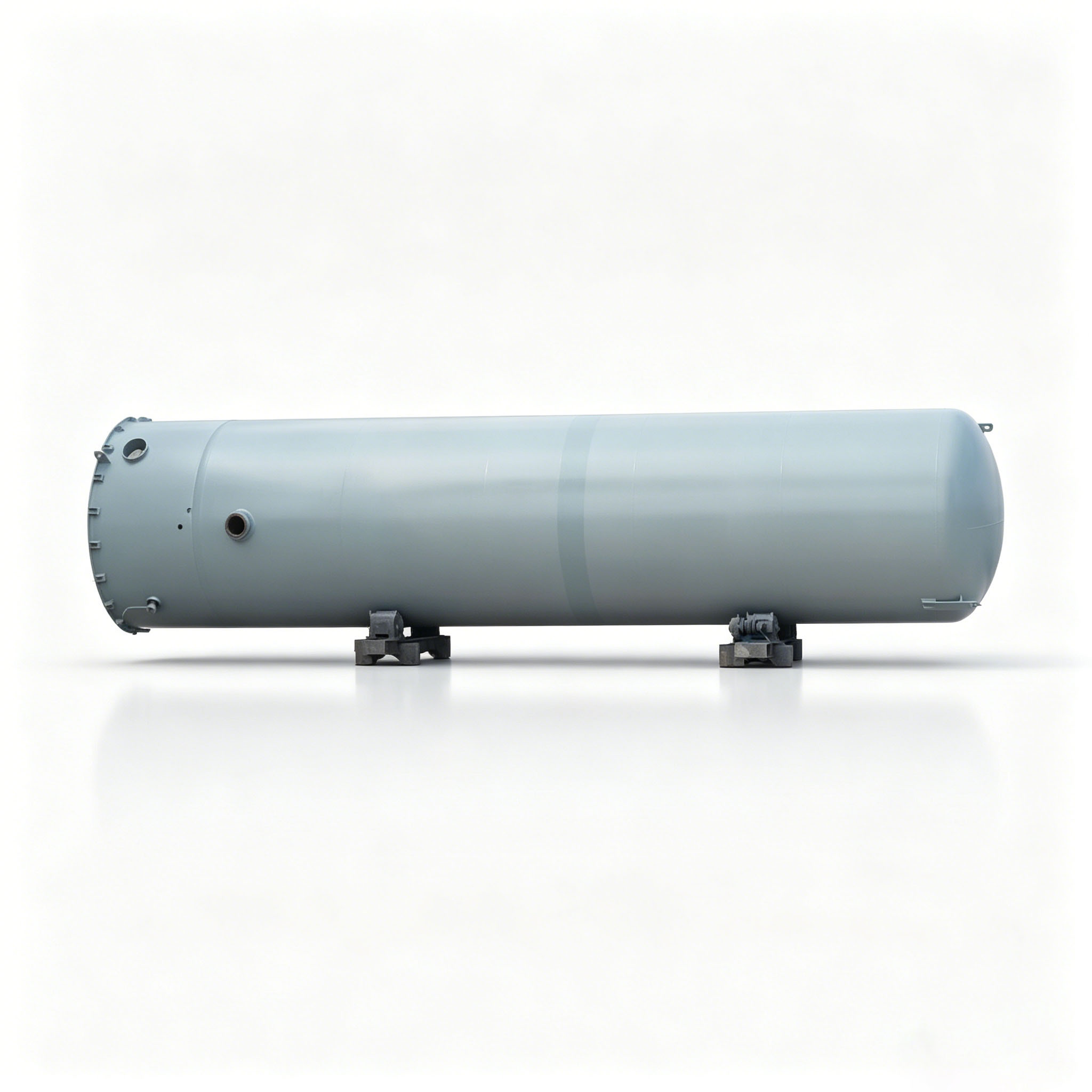
When selecting storage tanks for gasoline, kerosene, and diesel, the primary factors to evaluate are the physicochemical properties of the fuel—specifically flash point, volatility, and fire/explosion hazard classification. These three refined fuels differ significantly in hazard ratings, vapor control requirements, and safety equipment standards.
1. Matching Tank Types to Fuel Characteristics
Flash point and volatility dictate the required tank construction under standards like API 650 / API 620 (US) and EN 14015 / EN 12285 (EU):
- Gasoline (Class I Flammable Liquid, Low Flash Point < 37.8 ℃ / 100 ℉, High Volatility):
- Aboveground Bulk Terminals: Internal Floating Roof Tanks (IFRT) are mandatory under EPA NSPS (40 CFR Part 60 Subpart Kb) and European Directive 94/63/EC. The floating deck minimizes vapor space, reducing evaporative loss by over 90%, mitigating explosive atmosphere risks, and meeting VOC emissions standards.
- Retail Fuel Stations (AST/UST): Under PEI RP100, NFPA 30, and EN 12285-1/2, double-wall Underground Storage Tanks (USTs)—typically fiberglass-clad steel (FRP) or jacketed steel—are required, equipped with Stage I/II Vapor Recovery Systems and continuous Interstitial Monitoring (EN 13160).
- Kerosene (Class II Combustible Liquid, Flash Point 38 ℃ – 60 ℃):
- Typically uses Fixed Cone-Roof Tanks or Internal Floating Roof Tanks. For Aviation Kerosene (Jet A/A-1), stringent cleanliness standards (API/EI 1541 and JIG guidelines) require internal epoxy lining or aluminum/stainless steel floating covers to prevent rust contamination and vapor buildup.
- Diesel (Class IIIB Combustible / Category 4 Flammable Liquid, High Flash Point > 60℃ / 140 ℉, Low Volatility):
- Because it does not readily form flammable vapor mixtures at ambient temperatures, Fixed Roof Tanks (aboveground) or Double-Wall Horizontal Tanks (UL 142 / UL 2085 in the US, EN 12285 in Europe) are standard, providing a cost-effective and reliable solution.
2. Critical Design and Safety Engineering Features
① Anti-Static and Grounding (Static Electricity Control)
- Static Hazard in Light Distillates: Gasoline and kerosene easily accumulate static charges during flow and turbulence (NFPA 77 / CLC/TR 60079-32-1).
- Design Rule: Inlet piping must utilize submerged fill (bottom loading) ending within 150 mm (6 inches) of the tank bottom to eliminate splash filling. Tank shells, floating roofs, and pipe networks require bonding and grounding to earth grid systems ($R < 10\,\Omega$).
② Pressure Management and Venting (API 2000 / EN ISO 28300)
- Fixed Roof Tanks (Diesel/Kerosene): Must be equipped with Pressure/Vacuum Relief Valves (P/V Valves) and Flame Arrestors (tested to ISO 16852 / UL 525) to protect against overpressure, vacuum collapse, and external flame transmission.
- Floating Roof Tanks (Gasoline): Require primary and secondary rim seals (e.g., mechanical shoe plus wiper seals) and continuous gas detection.
③ Tank Metallurgy and Internal Corrosion Protection
- Materials: Standard carbon steels like ASTM A36 / A516 Gr. 70 (US) or S235JR / S275NH (EU).
- Aviation Kerosene Special Requirements: Tank interiors must be coated with light-colored, static-dissipative epoxy coatings listed on the EI 1541 approved product list, or constructed from stainless steel (e.g., 304L/316L).
- Diesel/Gasoline: Internal bottom plates require corrosion protection against free water accumulation (microbial corrosion in diesel), and external bottoms require cathodic protection (NACE SP0169).
④ Secondary Containment and Environmental Protection
- Spill Prevention (SPCC / EN 1992-3): Aboveground installations must be enclosed by secondary containment dikes/bunds designed to hold 110% of the largest tank’s capacity.
- Leak Detection: Double-wall USTs/ASTs must integrate continuous interstitial monitoring (vacuum, hydrostatic fluid, or electronic sensors compliant with EPA regulations or EN 13160).
3. Comparison Matrix (Western Standards Alignment)
| Dimension | Gasoline | Kerosene / Jet Fuel | Diesel |
| NFPA 30 / OSHA Class | Class IA / IB Flammable Liquid | Class II Combustible Liquid | Class IIIB Combustible Liquid |
| EU Flammable Cat. (CLP) | Category 1 / 2 | Category 3 | Not classified / Low Risk |
| Recommended Tank Type | Internal Floating Roof (Bulk) / Double-Wall UST (Retail) | Fixed Roof / Internal Floating Roof (Jet A-1) | Fixed Cone-Roof / Double-Wall AST/UST |
| Core Design Focus | Vapor containment (VOCs), Static bonding, Stage I/II recovery | Fuel purity (EI 1541 coating), Water drainage | Fuel stability, Cold flow/heating (cold climates) |
| Inlet Pipe Style | Submerged bottom loading | Submerged bottom loading | Submerged or drop tube |
| Primary Safety Fittings | Secondary Rim Seals, Gas Detection, Emergency Vents | P/V Valves, Flame Arrestors, Static Grounding | P/V Valves, Emergency Vents, Interstitial Leak Sensor |
4. Governing International Codes and Standards
When designing or specifying fuel storage tanks for Western markets, reference the following standards:
- Design & Construction Standards:
- US: API 650 (Welded Steel Tanks), API 620, UL 142 (Shop-Fabricated ASTs), UL 2085 (Protected ASTs), STI SP001.
- Europe: EN 14015 (Site-built ASTs), EN 12285-1/2 (Factory-made double-wall shop tanks).
- Fire Protection & Environmental Regulations:
- US: NFPA 30 (Flammable and Combustible Liquids Code), EPA SPCC (40 CFR Part 112), PEI RP100 (UST Installation).
- Europe: ATEX Directive 2014/34/EU (Equipment in Explosive Atmospheres), Directive 2009/126/EC (Stage II Petrol Vapor Recovery), EN 13160 (Leak Detection Systems).
Here is the translated document, updated and refined to align with US and European standards (such as NFPA, API, EPA, PEI in the US, and EN/BS, ATEX, Directive 2009/126/EC in Europe).
Key Considerations for Selecting Storage Tanks for Gasoline, Kerosene, and Diesel
When selecting storage tanks for gasoline, kerosene, and diesel, the primary factors to evaluate are the physicochemical properties of the fuel—specifically flash point, volatility, and fire/explosion hazard classification. These three refined fuels differ significantly in hazard ratings, vapor control requirements, and safety equipment standards.
1. Matching Tank Types to Fuel Characteristics
Flash point and volatility dictate the required tank construction under standards like API 650 / API 620 (US) and EN 14015 / EN 12285 (EU):
- Gasoline (Class I Flammable Liquid, Low Flash Point < 37.8 ℃ / 100 ℉, High Volatility):
- Aboveground Bulk Terminals: Internal Floating Roof Tanks (IFRT) are mandatory under EPA NSPS (40 CFR Part 60 Subpart Kb) and European Directive 94/63/EC. The floating deck minimizes vapor space, reducing evaporative loss by over 90%, mitigating explosive atmosphere risks, and meeting VOC emissions standards.
- Retail Fuel Stations (AST/UST): Under PEI RP100, NFPA 30, and EN 12285-1/2, double-wall Underground Storage Tanks (USTs)—typically fiberglass-clad steel (FRP) or jacketed steel—are required, equipped with Stage I/II Vapor Recovery Systems and continuous Interstitial Monitoring (EN 13160).
- Kerosene (Class II Combustible Liquid, Flash Point 38 ℃ – 60 ℃):
- Typically uses Fixed Cone-Roof Tanks or Internal Floating Roof Tanks. For Aviation Kerosene (Jet A/A-1), stringent cleanliness standards (API/EI 1541 and JIG guidelines) require internal epoxy lining or aluminum/stainless steel floating covers to prevent rust contamination and vapor buildup.
- Diesel (Class IIIB Combustible / Category 4 Flammable Liquid, High Flash Point > 60 ℃ / 140℉, Low Volatility):
- Because it does not readily form flammable vapor mixtures at ambient temperatures, Fixed Roof Tanks (aboveground) or Double-Wall Horizontal Tanks (UL 142 / UL 2085 in the US, EN 12285 in Europe) are standard, providing a cost-effective and reliable solution.
2. Critical Design and Safety Engineering Features
① Anti-Static and Grounding (Static Electricity Control)
- Static Hazard in Light Distillates: Gasoline and kerosene easily accumulate static charges during flow and turbulence (NFPA 77 / CLC/TR 60079-32-1).
- Design Rule: Inlet piping must utilize submerged fill (bottom loading) ending within 150 mm (6 inches) of the tank bottom to eliminate splash filling. Tank shells, floating roofs, and pipe networks require bonding and grounding to earth grid systems (R < 10Ω).
② Pressure Management and Venting (API 2000 / EN ISO 28300)
- Fixed Roof Tanks (Diesel/Kerosene): Must be equipped with Pressure/Vacuum Relief Valves (P/V Valves) and Flame Arrestors (tested to ISO 16852 / UL 525) to protect against overpressure, vacuum collapse, and external flame transmission.
- Floating Roof Tanks (Gasoline): Require primary and secondary rim seals (e.g., mechanical shoe plus wiper seals) and continuous gas detection.
③ Tank Metallurgy and Internal Corrosion Protection
- Materials: Standard carbon steels like ASTM A36 / A516 Gr. 70 (US) or S235JR / S275NH (EU).
- Aviation Kerosene Special Requirements: Tank interiors must be coated with light-colored, static-dissipative epoxy coatings listed on the EI 1541 approved product list, or constructed from stainless steel (e.g., 304L/316L).
- Diesel/Gasoline: Internal bottom plates require corrosion protection against free water accumulation (microbial corrosion in diesel), and external bottoms require cathodic protection (NACE SP0169).
④ Secondary Containment and Environmental Protection
- Spill Prevention (SPCC / EN 1992-3): Aboveground installations must be enclosed by secondary containment dikes/bunds designed to hold 110% of the largest tank’s capacity.
- Leak Detection: Double-wall USTs/ASTs must integrate continuous interstitial monitoring (vacuum, hydrostatic fluid, or electronic sensors compliant with EPA regulations or EN 13160).
3. Comparison Matrix (Western Standards Alignment)
| Dimension | Gasoline | Kerosene / Jet Fuel | Diesel |
| NFPA 30 / OSHA Class | Class IA / IB Flammable Liquid | Class II Combustible Liquid | Class IIIB Combustible Liquid |
| EU Flammable Cat. (CLP) | Category 1 / 2 | Category 3 | Not classified / Low Risk |
| Recommended Tank Type | Internal Floating Roof (Bulk) / Double-Wall UST (Retail) | Fixed Roof / Internal Floating Roof (Jet A-1) | Fixed Cone-Roof / Double-Wall AST/UST |
| Core Design Focus | Vapor containment (VOCs), Static bonding, Stage I/II recovery | Fuel purity (EI 1541 coating), Water drainage | Fuel stability, Cold flow/heating (cold climates) |
| Inlet Pipe Style | Submerged bottom loading | Submerged bottom loading | Submerged or drop tube |
| Primary Safety Fittings | Secondary Rim Seals, Gas Detection, Emergency Vents | P/V Valves, Flame Arrestors, Static Grounding | P/V Valves, Emergency Vents, Interstitial Leak Sensor |
4. Governing International Codes and Standards
When designing or specifying fuel storage tanks for Western markets, reference the following standards:
- Design & Construction Standards:
- US: API 650 (Welded Steel Tanks), API 620, UL 142 (Shop-Fabricated ASTs), UL 2085 (Protected ASTs), STI SP001.
- Europe: EN 14015 (Site-built ASTs), EN 12285-1/2 (Factory-made double-wall shop tanks).
- Fire Protection & Environmental Regulations:
- US: NFPA 30 (Flammable and Combustible Liquids Code), EPA SPCC (40 CFR Part 112), PEI RP100 (UST Installation).
- Europe: ATEX Directive 2014/34/EU (Equipment in Explosive Atmospheres), Directive 2009/126/EC (Stage II Petrol Vapor Recovery), EN 13160 (Leak Detection Systems).