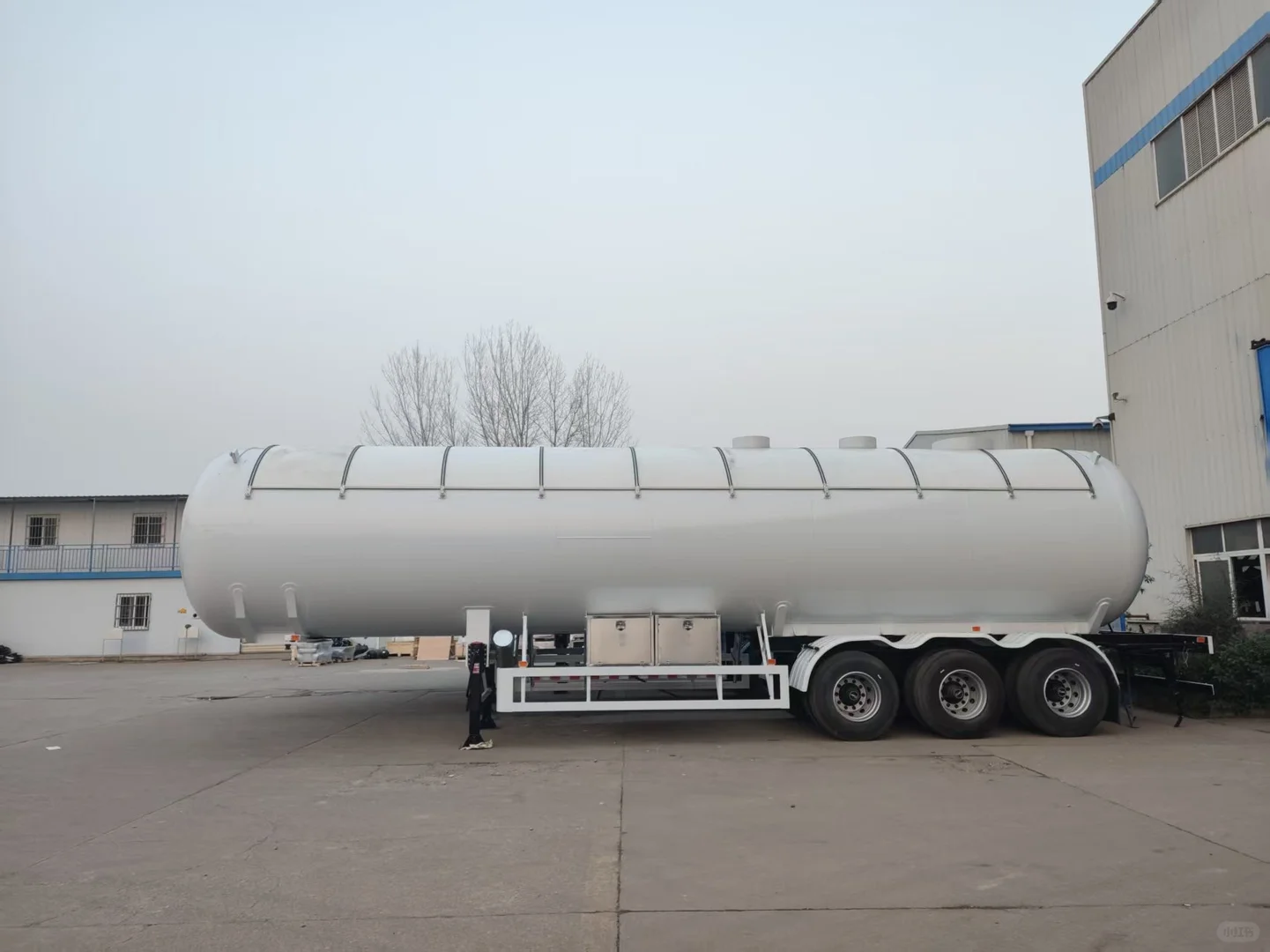

Every time you pass that big, round-bodied truck on the highway—the one with the bright “EXPLOSIVE” placard—do you instinctively keep your distance? That vehicle is the oil tank truck, and it’s far more than just a giant metal barrel on wheels.
It is the lifeblood of modern industry, moving fuels and liquids across cities and countries. But beneath its rugged exterior lies a sophisticated piece of engineering—combining fluid dynamics, thermodynamics, electronic control systems, and stringent safety protocols. Today, let’s pull back the curtain on this “mobile oil depot.”
More Than Just a “Big Steel Drum”
Officially known as an oil tank transport vehicle, this truck goes by many names: mobile refueling truck, oil carrier, road tanker, or tank wagon. But its job is not as simple as filling a container and driving off.
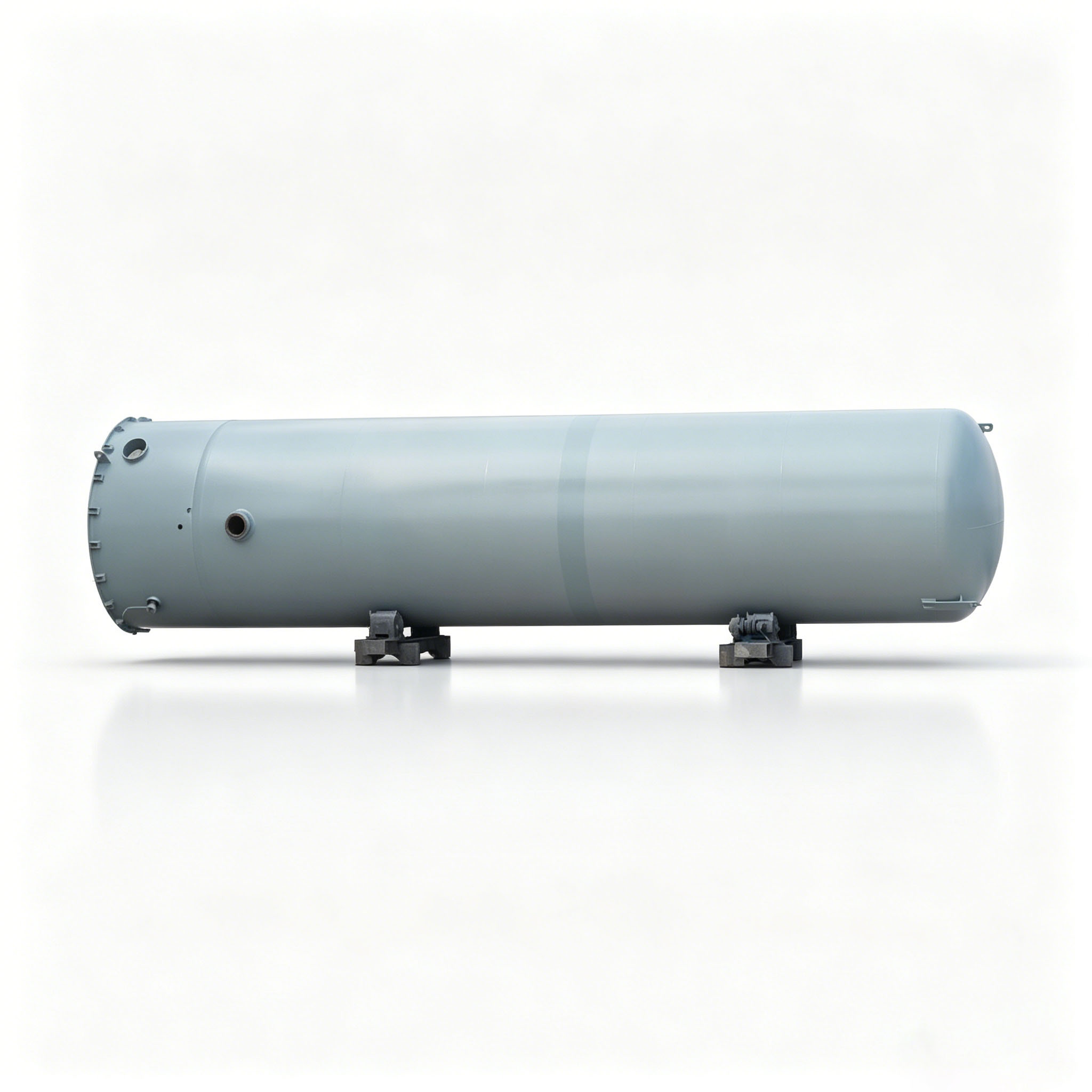
First, the tank body itself is a carefully selected piece of equipment. Depending on what it carries—flammable gasoline, food-grade edible oil, or corrosive chemicals—the tank can be made from carbon steel, stainless steel, aluminum alloy, or even lined with rubber, plastic, or fiberglass-reinforced plastic. The shape also varies—square-round, elliptical, or fully round—each chosen to balance structural strength, low center of gravity, and maximum capacity.
Inside, the tank is divided into multiple compartments by anti-slosh baffles. These serve two critical purposes:
- Preventing liquid surge—when the truck brakes or turns, the baffles stop the liquid from sloshing violently and destabilizing the vehicle.
- Enabling multi-product transport—different compartments can carry different types of oil or chemicals in a single trip, improving delivery efficiency.
When the Tank Gets “Sick” or “Cold”
Like any precision machine, oil tank trucks have their own quirks and vulnerabilities.
Engine Power Loss or Stalling
If the driver presses the accelerator but feels no power, or if the engine suddenly dies while driving, the culprit is often the ECU (Electronic Control Unit) or a faulty sensor. Modern tank trucks are equipped with computerized tax-control fuel dispensers, and if the crankshaft position sensor and camshaft sensor fall out of sync, or if fuel injection timing is off, the engine will protest. That’s why many tank truck drivers are part-time mechanics, skilled at reading diagnostic trouble codes.
Winter “Cold Feet” Syndrome
In cold climates, heavy oils—like crude oil or residual fuel oil—turn thick and sluggish, refusing to flow out of the tank. The old-school solution was to heat the entire tank like a giant boiler, but that wasted time, energy, and often overheated or “coked” the oil near the heating surfaces.
Enter the localized rapid heating technology. This system uses a vortex heat-film exchanger inserted deep into the tank, heating only the area around the outlet. The results speak for themselves:
| Heating Method | Heating Time (30°C → 60°C) | Steam Consumption | Condensate Temp |
| Traditional tube-type | 14.5 hours | 1.6 tons | 100°C |
| Vortex rapid heater | 1.5 hours | 1.96 tons | 55°C |
The Silent Killer: Static Electricity
When it comes to oil tankers, the greatest danger isn’t an open flame—it’s static electricity, which you can’t see, smell, or hear until it’s too late.
As oil flows through pumps, filters, and pipes, friction generates enormous static charges. If those charges accumulate and discharge at the tank opening, the resulting spark can ignite flammable vapors in an instant.
That’s why the industry follows a strict anti-static ritual:
- Ground the operator — Drivers and loaders must wear anti-static coveralls and conductive shoes to drain static from their own bodies. Even their socks matter—thin nylon or conductive materials only, never insulating wool or rubber.
- Ground the vehicle — Before any loading begins, the static grounding cable must be securely attached to bare metal (not painted surfaces) on the truck. The grounding resistance is checked regularly to meet anti-static standards.
- Start slow — The initial filling speed must be kept below 1 m/s until the outlet pipe is fully submerged in the liquid. Only then can the flow rate gradually increase—but never exceed 4.5 m/s. This prevents splashing and mist formation, which dramatically raise static risks.
- Wait before disconnecting — After loading is complete, you must wait at least 5 minutes before removing the grounding cable. Why? Because the liquid surface inside the tank can retain an electric potential for several minutes after flow stops.
- Beware of “product switching” — One of the most overlooked dangers is switching from gasoline to diesel in the same tank. Gasoline has a lower flash point, and even trace vapors left in the tank can form an explosive mixture when diesel is pumped in. The solution? Thorough tank cleaning and strict procedural compliance.
The Bottom Line
An oil tank truck is not just a hauler—it’s a rolling testament to engineering progress. From anti-slosh baffles and vortex heating elements to computerized fuel control and multi-layer static protection, every detail is designed for one ultimate goal: delivering energy safely and efficiently to every corner of the world.
So the next time you see one gliding down the highway, you’ll know there’s a lot more inside that tank than just fuel—there’s a century of industrial wisdom.
Have you ever worked with or driven an oil tank truck? What’s the most surprising thing you’ve learned about them? Drop a comment below—I’d love to hear your story!