1. Design & Manufacturing: Similarities vs. Differences
Similarities
- Standards & Certifications: Both are heavy-duty pressure vessels. They must be built by certified manufacturers according to strict safety codes.
- Core Materials: They use the exact same high-strength steel plates for the tank shell.
- Safety Accessories: Both require essential safety gear. This includes pressure gauges, safety valves, liquid level indicators, and emergency shut-off valves to keep pressure under control.
- Strict Inspection: During production, every weld must pass rigorous X-ray or ultrasound tests and water pressure checks.
Differences
- Outer Coating (The Biggest Difference):
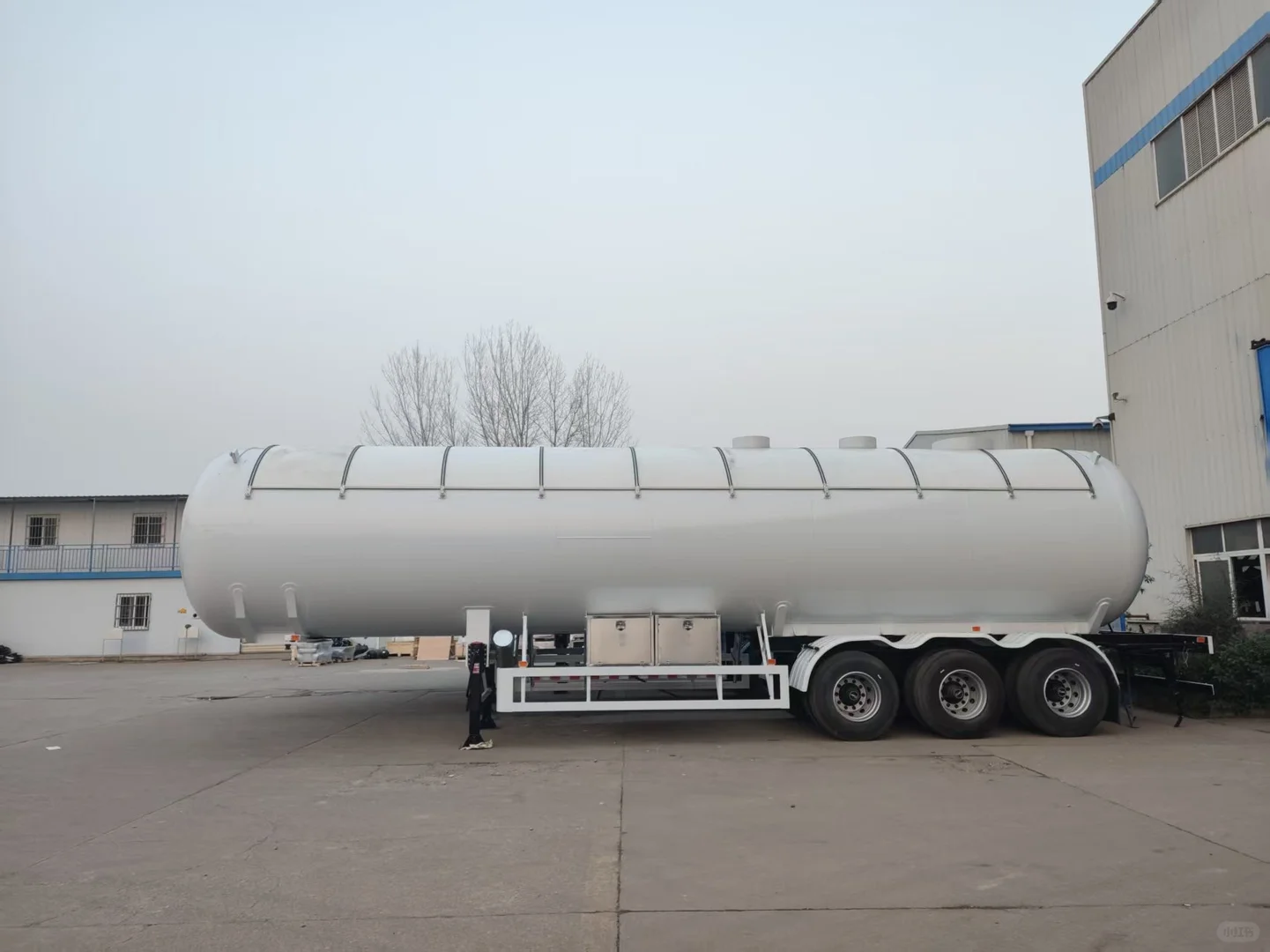
- Aboveground Tanks: These face sun and rain. They are treated with sandblasting, anti-rust primers, and a top coat—usually bright white or silver to reflect sunlight and heat.
- Underground Tanks: These sit in damp soil and cannot be easily checked. They need a heavy-duty, multi-layer anti-corrosion wrap (like thick epoxy or polyethylene). They also require an electronic anti-rust system (cathodic protection) to stop underground chemical erosion.
- Shape & Structure:
- Aboveground Tanks: They sit high on tall concrete or steel supports.
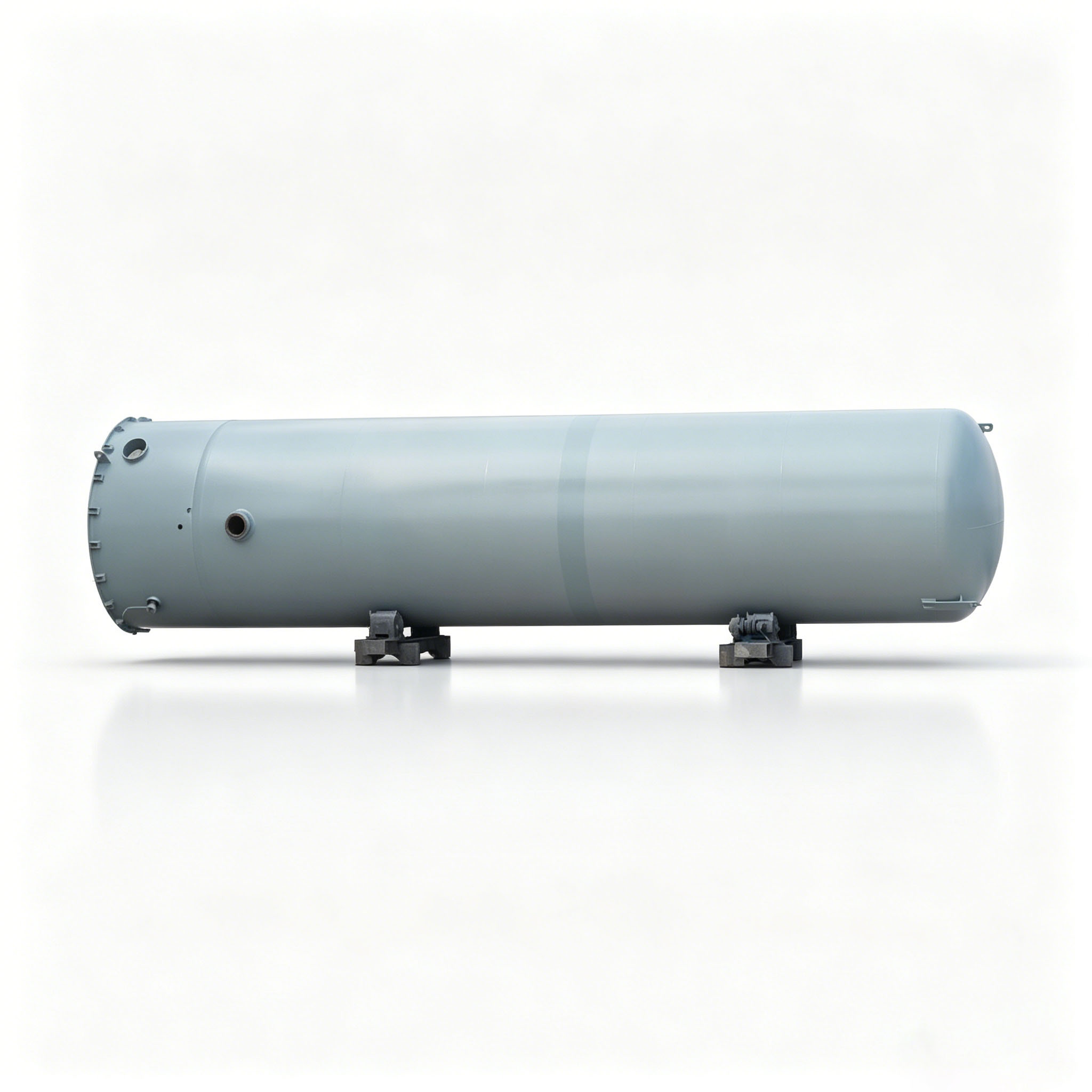
- Underground Tanks: They rest flat on low-profile bases. They also feature a tall “neck” or access well on top so that all valves and pipes can reach above ground for daily operation.
- Strength Calculations:
- Aboveground Tanks: Engineers design them to withstand heavy winds and earthquakes.
- Underground Tanks: Wind is not an issue here. Instead, engineers calculate the crushing weight of the soil, the weight of vehicles driving overhead, and—most importantly—underground water buoyancy to stop an empty tank from floating out of the ground like a boat.
2. The Installation Process: Similarities vs. Differences
Similarities
- Solid Foundations: Both need a heavy concrete pad. It must be perfectly level to distribute the weight evenly.
- Crane Handling: Moving these tanks is a major operation. It requires specialized cranes and a detailed lifting plan.
- Final Testing: Once placed, both systems undergo strict gas-leak checks and electrical grounding tests before they can open for business.
Differences
- Digging & Depth:
- Aboveground Tanks: You simply crane them onto the concrete pads and bolt them down.
- Underground Tanks: This is a major construction project. It requires digging a massive pit. The tank must be buried deep enough—usually at least 2 to 3 feet below the surface—to stay safe from freezing ground.
- Anchoring Down:
- Underground Tanks: If the area has a high water table, the tank must be strapped down tightly to the concrete base using heavy-duty straps. This keeps the tank from shifting or popping up.
- Backfilling the Pit:
- Underground Tanks: You cannot just throw random dirt back into the pit. Sharp rocks or bricks can scratch the protective coating. Workers must use fine sand or soft, sifted soil and pack it down gently in layers.
3. Pros and Cons: A Quick Comparison
| Feature | Aboveground LPG Tanks | Underground LPG Tanks |
| Safety Clearance (The Game Changer) | CON: Requires a large safety zone. By law, they must sit far away from buildings and roads, taking up a lot of land. | PRO: The soil acts as a natural shield. Because fire risks are so low, safety distances can be cut in half, saving massive amounts of space. |
| Protection from Hazards | CON: Fully exposed. They are vulnerable to nearby fires, lightning strikes, vehicle crashes, or vandalism. | PRO: Naturally protected from fire, lightning, and impacts. Underground temperatures are stable, so the gas won’t overheat. |
| Upfront Cost | PRO: Much cheaper. No major digging, no expensive underground wraps, and no extra anchoring systems are needed. | CON: Much pricier. The digging, special coatings, electrical rust-protection, and sand-backfilling drive costs way up. |
| Maintenance & Inspection | PRO: Very easy. You can walk up and look at it anytime. Repainting and routine safety checks are quick and simple. | CON: Very difficult. You cannot see it. Checking for leaks or rust requires specialized electronic sensors, and repairs are expensive. |
| Lifespan | It depends: If you repaint it regularly to stop rust, it will last for decades. | It depends: It relies entirely on the quality of the initial wrap. If the coating fails, the soil will eat through the steel quickly and secretly. |
4. Summary & Recommendation
- Choose an Aboveground Tank if: You have plenty of open space, neighbor buildings are far away, your budget is tight, and you want easy, stress-free maintenance.
- Choose an Underground Tank if: Your site is in a crowded city or near busy public areas where land is expensive. It is the best choice if local fire codes demand strict safety clearances that a regular tank simply cannot meet.