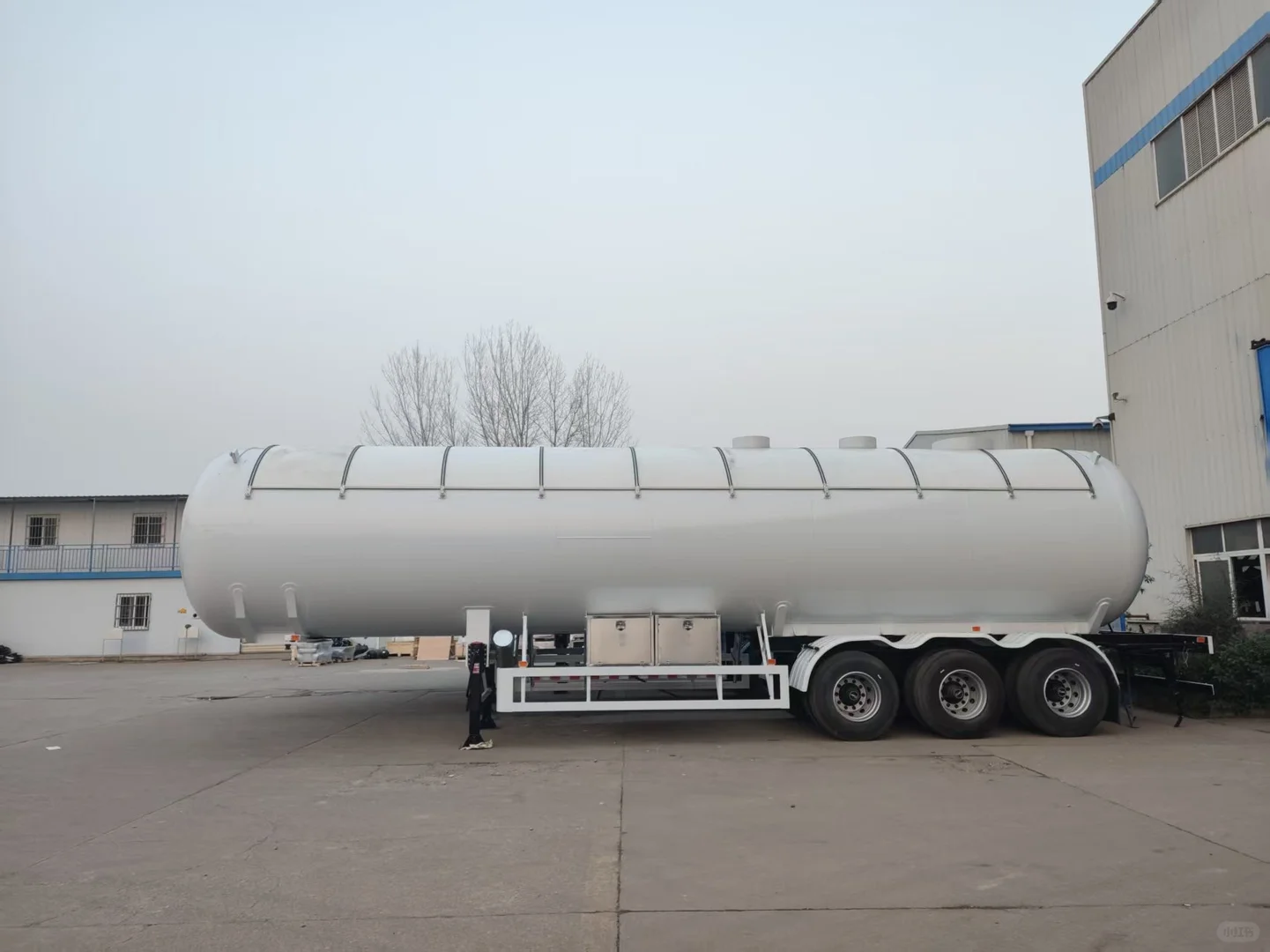
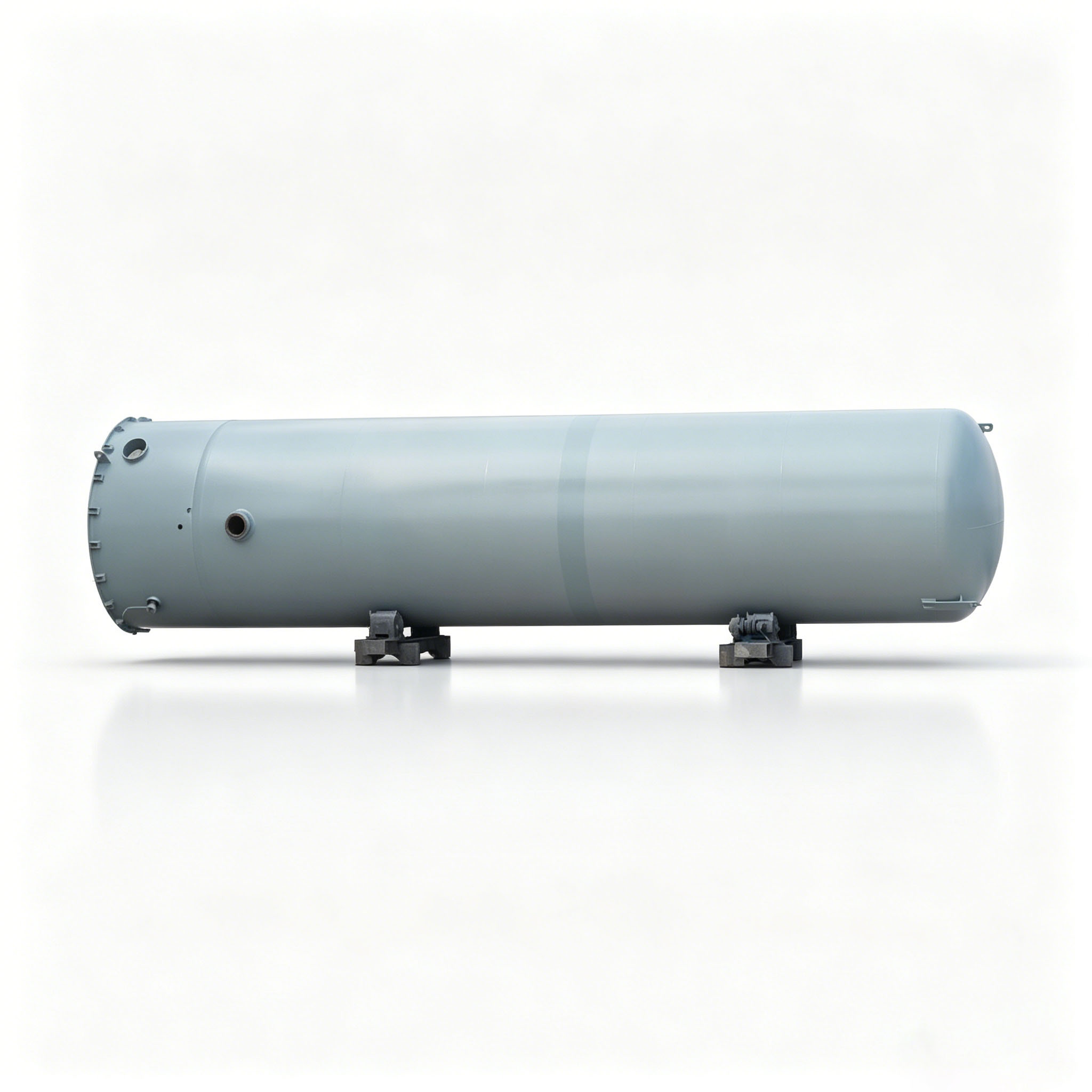
Dish ends aren’t exactly glamorous. But try importing them without getting the basics right, and you’ll find yourself in a mess pretty quickly.
Mr. Phea, a buyer in Cambodia, recently placed an order for a batch of these components. Nothing massive. Just a straightforward procurement of dish heads for industrial tanks. What made his experience worth noting wasn’t the size of the deal, but how smoothly everything went from start to finish.
The specs came first.
Three things mattered upfront: wall thickness, diameter, and material. The supplier made sure those were locked in before anyone moved forward. And here’s the thing about materials—you can’t just pick one and hope. Each has its own lane, and mixing them up is a recipe for trouble.
Carbon steel dish ends, for instance, are what you want for oil and gas applications, diesel or air storage tanks, boilers, hoppers, and those big water tanks you see on trucks or construction sites. They handle pressure well and don’t complain about normal temperatures.
Stainless steel dish ends are a whole different story. You bring those in when you’re dealing with seawater, chemical environments with acids or alkalis, food-grade drinking water, or anything near high-salt conditions. Corrosion is a real threat there, and stainless handles it.
Then there are aluminum alloy dish ends, which are more of a specialist. They work best for fresh water storage, food-grade small vessels, and low-temperature or low-nitrogen setups. Not a universal option, but in the right application, they perform beautifully.
Mr. Phea got clear guidance on all this upfront. No confusion, no second-guessing.

Once the order went in, the updates started.
And they kept coming. Every week, like clockwork, the supplier sent a short progress report—sometimes just a few lines, sometimes with a photo attached. Cutting was done. Forming was moving along. Heat treatment finished. Edge preparation checked. Testing completed. Nothing overproduced, just enough to let Mr. Phea know where things stood.
He didn’t have to chase anyone down. That alone made the process feel different from many other deals he’d done.
The customs side could have been a headache. They made sure it wasn’t.
Cambodian authorities tend to pay close attention to pressure-containing components like dish ends. They want to know exactly what’s coming in, what it’s made of, and who’s going to use it. If you don’t have answers ready, your cargo can sit at the port for days—or longer.
The supplier got ahead of that by drafting a straightforward letter to the local tax office. It spelled out, in plain language, that the shipment wasn’t restricted or sensitive, that the materials met ASTM and ASEAN standards, and that the end-user was properly licensed. They sent that letter a full week before the goods were ready to move. That small step probably saved a lot of time and trouble down the line.

When shipping day approached, the paperwork was tight.
About 48 hours before departure, everything was in order. The packing list was detailed—weights, dimensions, serial numbers, stacking instructions, all included. The customs declaration had all the required product attributes: material codes, forming methods, pressure ratings, heat treatment status. A certificate of origin and third-party test reports rounded out the package.
Most importantly, the invoice, packing list, and declaration all told the same story. No contradictions, which is exactly what customs officers want to see.

On the actual shipping day, someone grabbed a phone and took photos.
The packaging, the strapping, the loading process, the sealed container—all captured and sent to Mr. Phea via WhatsApp. No fancy platform, just a quick message saying, “Here’s what we shipped.”
From there, the supplier kept an eye on the vessel’s movements and sent a short update every couple of days. Just a line or two to confirm the cargo was still on track. When the ship neared port, they reminded Mr. Phea to have his import documents ready.
The order wasn’t considered complete until Mr. Phea confirmed back: goods received, no damage, everything fits.

If there’s a lesson here, it’s not about the product itself.
It’s about the little things that most people overlook. Regular updates. Clear paperwork. A proactive letter to customs. A few photos on WhatsApp. A gentle reminder before arrival.
None of it is complicated. But in cross-border industrial trade, these small efforts are exactly what separate a smooth transaction from a painful one. Mr. Phea’s experience shows that when a supplier pays attention to the details, the whole process feels different—more human, more reliable.
And if you’re wondering whether he’d order again? The answer seems pretty clear.
Let me know if you need any further tweaks—whether it’s adjusting the length, shifting the tone, or tailoring it for a specific publication.