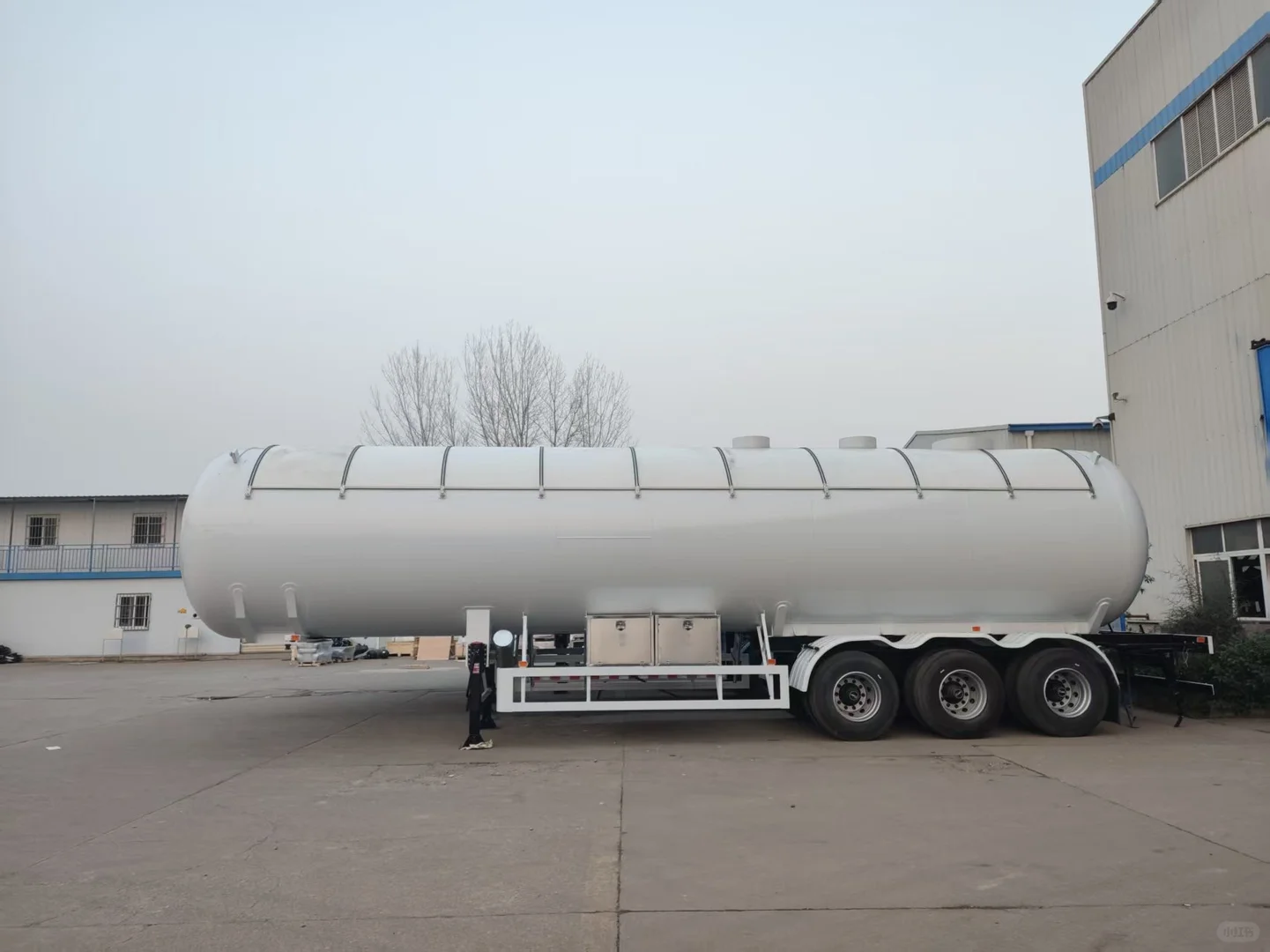
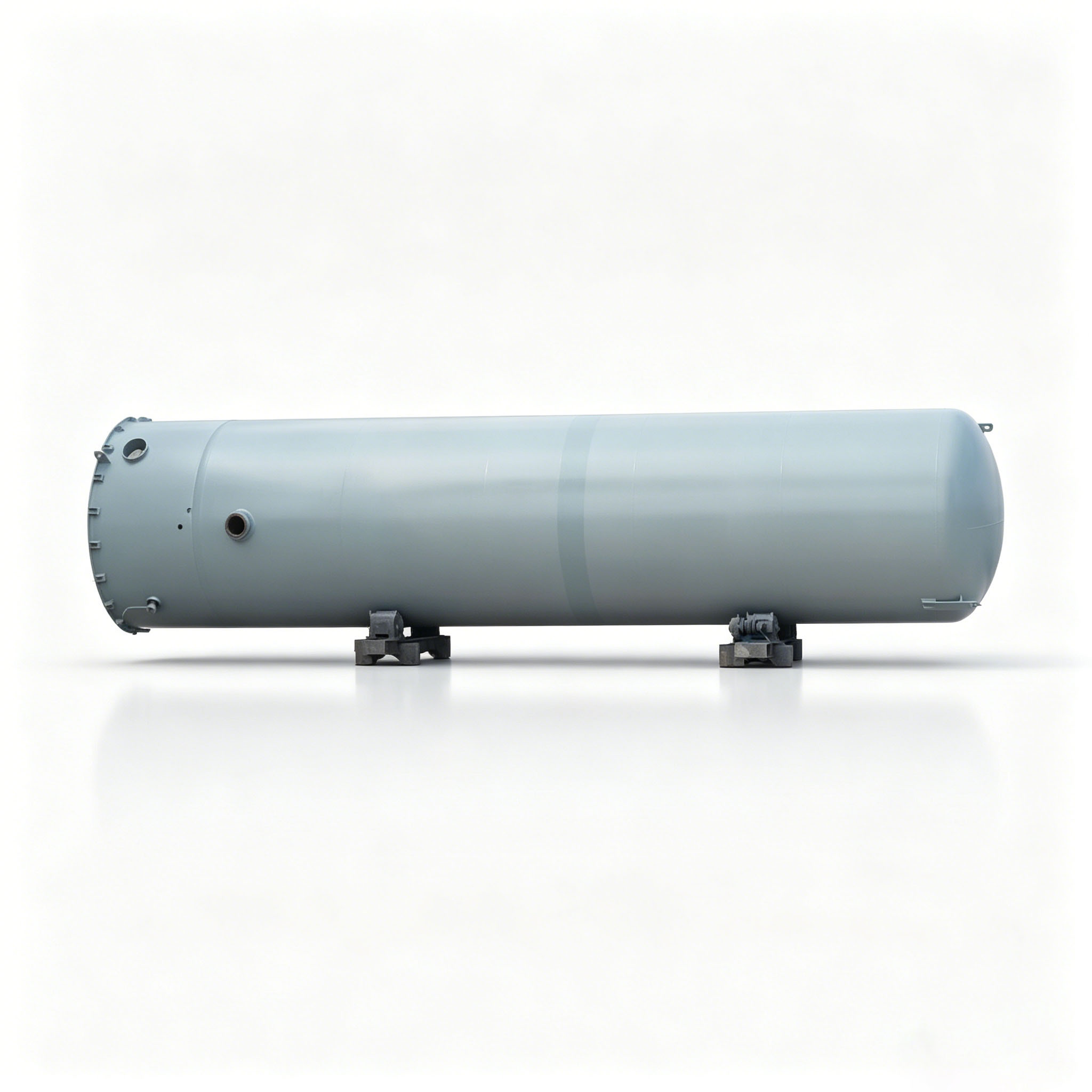
Currently, three primary coating systems dominate the industry for the external corrosion protection of underground LPG tanks, diesel tanks, and chemical storage vessels: Glass Cloth Reinforced Epoxy Asphalt, 100% Solids Epoxy Coatings (Solvent-Free), and Heavy-Duty Polyurethane Coatings. These systems exhibit distinct variations across multiple dimensions, including service life, application complexity, cost-effectiveness, and operational scope.
Comprehensive Performance Comparison
| Evaluation Metric | Glass Cloth Reinforced Epoxy Asphalt | 100% Solids Epoxy | Heavy-Duty Polyurethane |
| Corrosion Resistance | ★★★★☆ | ★★★★★ | ★★★★☆ |
| Mechanical Damage Resistance | ★★★★★ | ★★★★☆ | ★★★☆☆ |
| Soil Stress Resistance | ★★★★★ | ★★★★☆ | ★★★☆☆ |
| Cathodic Disbondment Resistance | Moderate | Excellent | Moderate |
| Chemical Resistance | Good | Outstanding | Very Good |
| Service Life | 15–25 years | > 20–30 years | 15–20 years |
| Application Complexity | High | Moderate | Moderate |
| Ease of Repair/Maintenance | Moderate | Good | Good |
| Total Cost | Moderate | Moderate to High | High |
1. Glass Cloth Reinforced Epoxy Asphalt
This classic multilayered coating system is typically structured as follows:
- Primer
- Epoxy Asphalt
- Fiberglass Cloth (2–4 layers)
- Topcoat
The total nominal dry film thickness (DFT) generally ranges from 0.8 to 1.5 mm.
- Advantages: It offers exceptional protection against mechanical impacts during handling. The system easily withstands aggressive backfill materials containing sharp stones and rocks, and it is highly resilient against surface scratching. Furthermore, it features a relatively low initial material cost, backed by a successful domestic application history spanning over 40 years.
- Disadvantages: The application involves complex manual procedures, meaning consistent quality relies heavily on the skill of the installers. Air entrapment can easily lead to bubbling or holing within the glass cloth layers. Localized repairs are relatively tedious and time-consuming, and the formulation offers mediocre environmental performance.
- Optimal Suitability: This system is ideal for underground LPG tanks, refined product storage tanks, and general chemical vessels located in regions with moderate soil corrosivity.
- Recommended Capacity: It is most frequently applied to vessels with a volume of 20 to 200 m³. While it remains feasible for tanks exceeding 300 m³, doing so significantly prolongs the construction schedule.
2. 100% Solids Epoxy Coatings (Solvent-Free)
As a modern industry benchmark, solvent-free epoxy coatings are increasingly specified in major international pressure vessel projects. These high-build coatings routinely achieve standard single-coat dry film thicknesses of 600 μm, 800 μm, 1000 μm, or 1200 μm without sagging.
- Advantages: Volatile Organic Compound (VOC) emissions are virtually zero. It achieves substantial thickness in a single application and resists running or sagging on vertical surfaces. It establishes an exceptionally strong bond with the steel substrate and delivers the highest resistance to cathodic disbondment, allowing it to integrate seamlessly with sacrificial anode systems. It also exhibits outstanding resistance to moisture, salts, and alkaline solutions.
- Disadvantages: It demands high-grade abrasive blast cleaning, typically requiring a Sa 2.5 cleanliness standard. In addition, the curing process is sensitive to ambient temperature and humidity fluctuations, and the raw material cost is higher than that of traditional epoxy asphalt.
- Optimal Suitability: This system is highly recommended for underground LPG storage tanks, LNG auxiliary facilities, petroleum storage tanks, and chemical pressure vessels. It excels in highly corrosive saline-alkali zones and coastal projects.
- Recommended Capacity: It features virtually unlimited capacity compatibility—making it perfectly suited for tanks ranging from small-scale (5 m³, 20 m³, 50 m³) to massive capacities (100 m³, 300 m³, and exceeding 1000 m³). It is rapidly becoming the preferred standard across Europe and the Middle East.
3. Heavy-Duty Polyurethane Coatings
This coating architecture typically incorporates an epoxy primer, a polyurethane intermediate coat, and a polyurethane topcoat, or alternatively relies on a specialized polyurea/polyurethane hybrid system.
- Advantages: It offers premier resistance to UV radiation and atmospheric degradation. The cured film accommodates thermal expansion and contraction due to its high flexibility and toughness, while providing a clean, visually appealing gloss and excellent defense against mechanical wear. Spot repairs and recoating are also highly convenient.
- Disadvantages: For long-term burial, its resistance to continuous underground moisture immersion is marginally inferior to that of 100% solids epoxies. Certain polyurethane formulations run the risk of hydrolytic degradation when exposed to prolonged subterranean moisture.
- Application Constraints: It is generally not advised to use polyurethane as the sole barrier coating for direct-burial environments. Consequently, it is primarily specified for aboveground storage tanks, external pipeline walls, and exposed steel structures. When deployed underground, it serves best as a composite system (e.g., an epoxy primer combined with a polyurethane topcoat) rather than a full polyurethane build.
- Recommended Capacity: The tank volume is a secondary factor compared to actual operating conditions. While applicable to small-scale buried tanks, heavy-duty polyurethane is rarely used independently on large underground LPG storage vessels.
Coating Selection Matrix by Tank Type & Environment
| Storage Tank Category / Environment | Recommended Coating System |
| Underground LPG Storage Tanks | ★★★★★ 100% Solids Epoxy |
| LNG Auxiliary Tanks | ★★★★★ 100% Solids Epoxy |
| Gasoline & Diesel Storage Tanks | Glass Cloth Reinforced Epoxy Asphalt / 100% Solids Epoxy |
| Chemical Storage Tanks | 100% Solids Epoxy |
| Coastal / Marine Projects | 100% Solids Epoxy + Cathodic Protection (CP) System |
| Saline-Alkali Regions | 100% Solids Epoxy |
| Standard / Mild Soil Environments | Glass Cloth Reinforced Epoxy Asphalt (sufficient for standard requirements) |
International Development Trends
In recent years, leading international standards (including relevant API, EN, and ISO frameworks) have strongly shifted toward specifying 100% solids epoxy coatings paired with cathodic protection (CP) systems. This strategic preference is driven by clear operational benefits: the combined system extends the asset service life to 20–30+ years, enhances application efficiency via shop-applied automated methods, minimizes environmental impact by complying with strict VOC regulations, and significantly reduces long-term lifecycle maintenance expenditures.
Conversely, Glass Cloth Reinforced Epoxy Asphalt maintains a substantial market share in China, Southeast Asia, the Middle East, and several CIS nations. It remains widely utilized for small-to-medium underground LPG tanks (20–200 m³) where initial cost constraints are paramount and high resistance to mechanical installation damage is essential.
Engineering Recommendations
Polyurethane Systems: These should be restricted to aboveground facilities or used exclusively as the top layer in multi-coat composite systems. Polyurethane is not recommended as a single-barrier solution for long-term direct-burial applications.
20–100 m³ Underground LPG Tanks: The choice between Glass Cloth Reinforced Epoxy Asphalt and 100% Solids Epoxy may be governed by budgetary frameworks. However, for assets exported to Europe and North America, or for high-standard international projects, 100% solids epoxy must be prioritized.
100–500 m³ and Larger Underground LPG Tanks: Engineers should specify a 100% Solids Epoxy system (800–1200 μm DFT) integrated with a Cathodic Protection system. This setup delivers superior longevity and yields the lowest total cost of ownership (TCO).