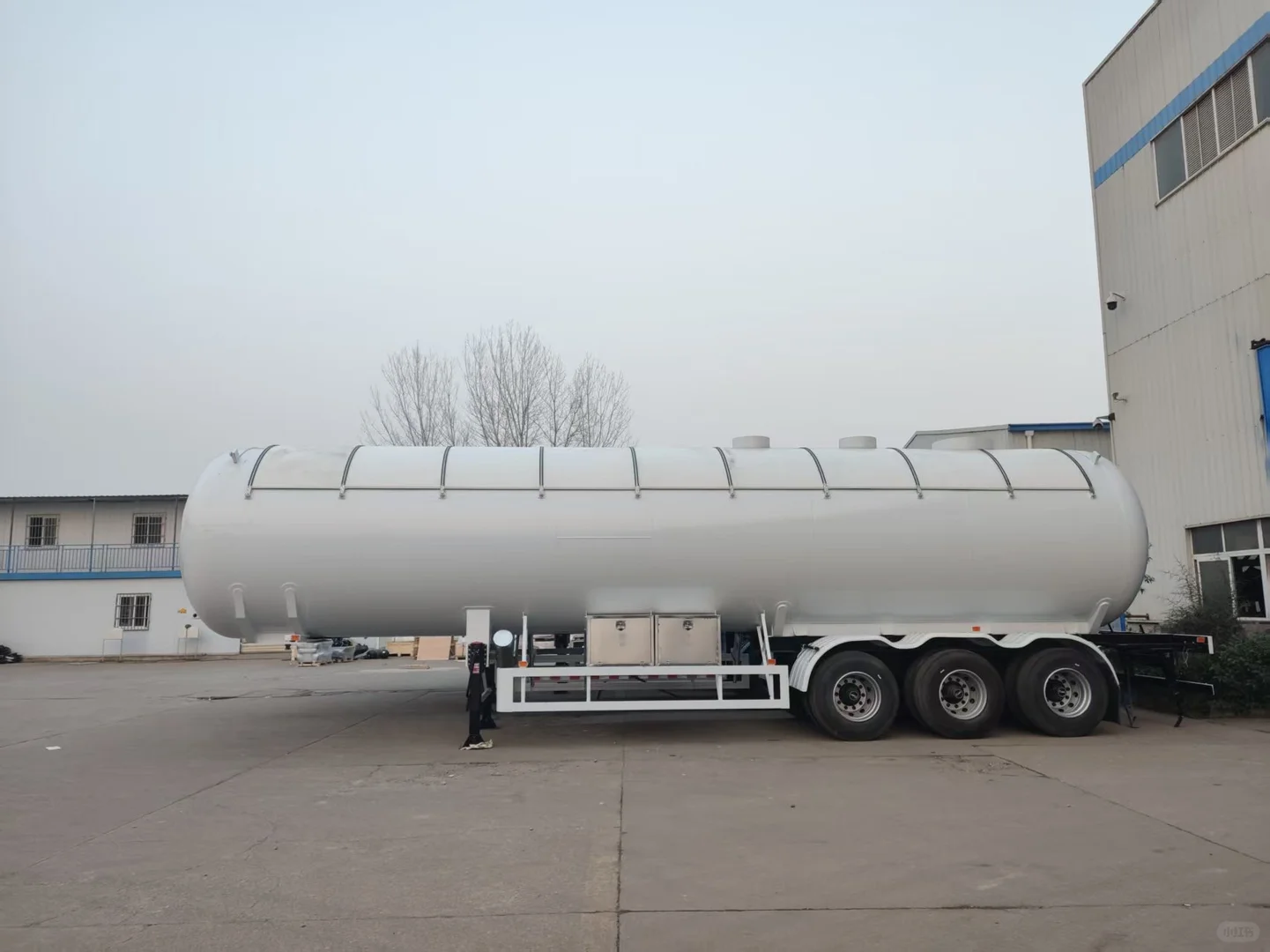
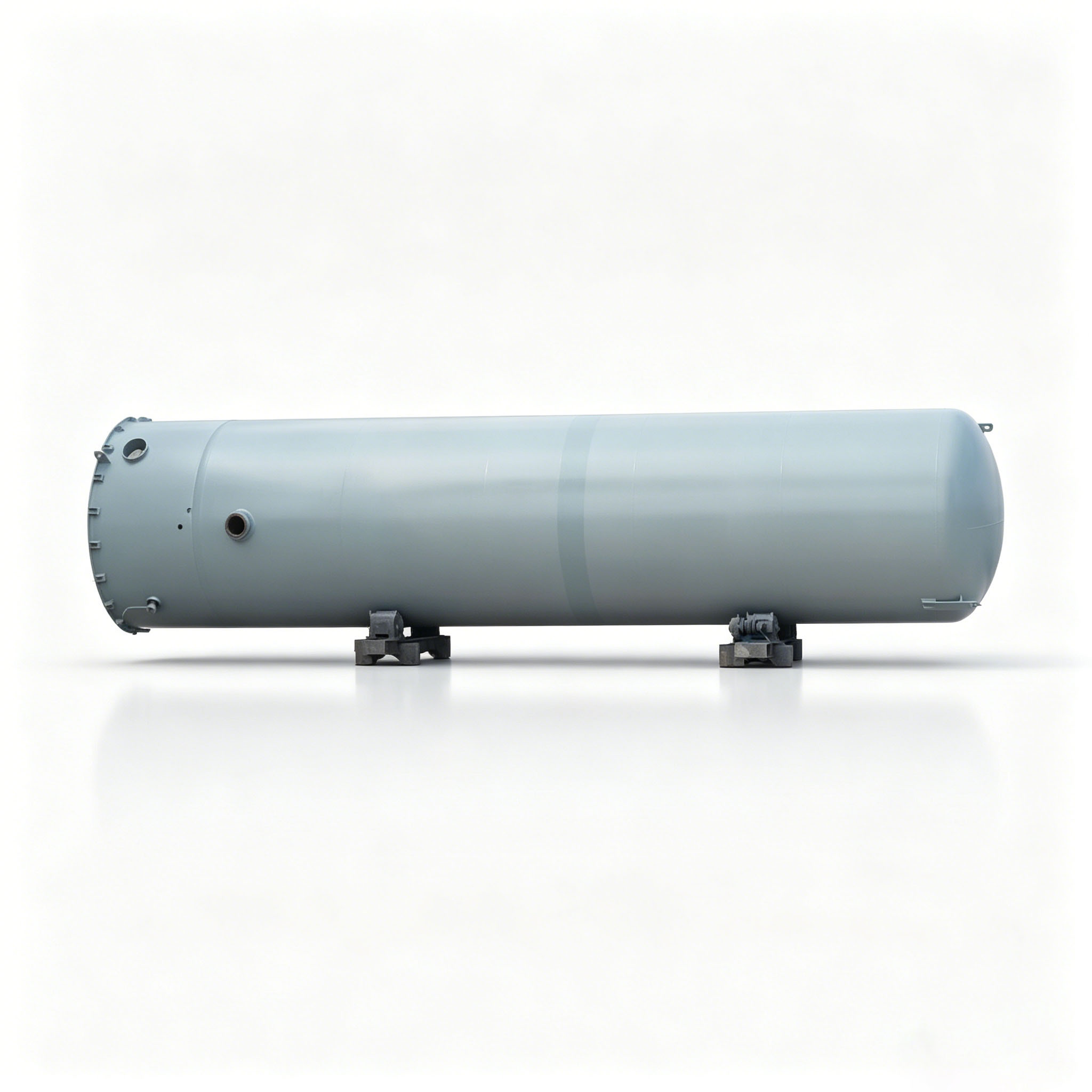
Thanks to its strategic location next to the Malacca Strait and right beside Singapore, Malaysia has built a massive storage tank market. Driven by four core pillars—petrochemicals, palm oil, liquefied natural gas (LNG), and hazardous chemicals—the country has become a crucial liquid storage and logistics hub in Southeast Asia.
Currently, the industry presents a mixed picture: Malaysia leads the region in high-end specialized tanks, but lags behind in general storage equipment, while seeing a clear mismatch in supply and demand between land and sea logistics.
I. Current Market Situation
1. Demand Side: Four Core Drivers
- Petrochemicals & LNG (High Growth): The Pengerang Integrated Petroleum Complex (PIPC) in Johor is Southeast Asia’s premier refining hub. Driven by the Dialog Group’s continuous expansions, its proprietary tank capacity is projected to reach 7.55 million cubic meters by 2026—a 55% jump. Meanwhile, Petronas is heavily investing in cryogenic LNG tanks. Malaysia currently handles 18% of global orders for retrofitting marine cryogenic fuel tanks, showing a clear regional edge in low-temperature technology. Additionally, long-term government hydrogen initiatives are expected to require RM 2 billion in infrastructure investment for cryogenic hydrogen storage.
- Palm Oil Tanks (Consistent, Seasonal Demand): Malaysia has about 2.8 million tons of dedicated palm oil tank capacity, with 60% concentrated in Port Klang and Tanjung Pelepas. During the peak harvest season in the fourth quarter, these tanks frequently hit maximum capacity, leaving a storage shortage of around 1.50 million cubic meters. Furthermore, many older tanks suffer from outdated temperature control and poor sealing.
- Hazardous & Fine Chemical Tanks: Industrial parks in Penang and Kuantan maintain steady demand for electronic chemical and corrosive material storage. However, compliance bars are rising as the Department of Occupational Safety and Health (DOSH) enforces strict tiered licensing.
- Biofuels & Sustainable Aviation Fuel (SAF): Companies like EcoCeres are leasing large tanks to store biodiesel and methanol, turning this into a rapidly growing niche market.
2. Supply & Manufacturing Landscape
- High-End Specialized Tanks (Cryogenic & Anti-Corrosive Stainless Steel): Local giants like Dialog and regional heavy industries have strong design and manufacturing capabilities. However, they still rely heavily on imports from China, Japan, and South Korea for core steel plates, insulation materials, safety valves, and liquid level monitors.
- Standard Atmospheric Tanks (Carbon Steel Palm Oil & Civil Fuel Tanks): Local small and medium manufacturers have plenty of capacity, but their production processes can be unrefined. Features like secondary seals and vapor recovery systems are often missing.
- Business Models: Engineering, Procurement, and Construction (EPC) contracts make up 52% of the market. Meanwhile, integrated tank leasing, operations, and maintenance services are catching on fast. Singaporean capital largely drives the financialization of these storage assets, leaving local Malaysian firms facing higher financing costs.
3. Regulatory Standards & Compliance
Government scrutiny over dangerous goods (DG) and pressure vessels is at an all-time high. Post-2025 regulations mandate secondary containment, Vapor Recovery Systems (VRS), and online leak monitoring, pushing the manufacturing cost of new tanks up by 4.2%.
Getting a storage tank operational requires navigating a web of approvals across multiple agencies, including DOSH, JPJ, DOE, BOMBA (Fire and Rescue Department), and Puspakom (Computerized Vehicle Inspection Center). Because these agencies’ standards sometimes overlap or suffer from bureaucratic delays, businesses often face longer asset turnover cycles.
- DOSH (Department of Occupational Safety and Health): Enforces strict source approvals (PMT/PMD certifications) for pressure standards and materials (like 16MnDR and stainless steel) used in stationary and transport tanks.
- JPJ (Road Transport Department): Strictly enforces road transport rules for hazardous materials. Between 2025 and 2026, JPJ is accelerating alignment with European ADR standards, placing rigid requirements on tank truck chassis, explosion-proof systems, and Hazchem placards.
- DOE (Department of Environment): Requires specialized, vehicle-specific permits for transporting “Scheduled Wastes,” such as industrial waste acids and alkalis.
II. Five Major Industry Pain Points
- Heavy Reliance on Imported Parts: Local supply chains cannot produce specialized materials like 16MnDR steel, 316L stainless steel, cryogenic insulation layers, or smart monitoring sensors. Relying entirely on imported steel, valves, and automation systems leaves local builders exposed to global price spikes and currency fluctuations, with very little bargaining power.
- High Costs for Environmental Upgrades: Many atmospheric tanks in palm oil facilities and smaller chemical parks have been operating for over 20 years without proper lining or vapor recovery systems. With the rollout of unified ASEAN environmental rules, retrofitting these tanks requires heavy investments with long payback periods. Smaller plants with tight cash flows risk uncertified storage and environmental leaks.
- Supply and Demand Mismatch: Tanks in major West Malaysian ports like Port Klang and Johor are packed during peak seasons, driving up storage fees. Conversely, East Malaysia (Sabah and Sarawak) suffers from a severe shortage of liquid storage infrastructure, forcing raw materials to be shipped across the peninsula at high costs. Overall, smaller storage facilities operate under 65% capacity, while large, specialized yards stay completely full year-round.
- Weak Digital Operations: Paperwork often mismatches actual inventory after liquid products are blended or mixed in shore tanks, leading to product losses and missing tax revenues in the petrochemical supply chain. Most tank yards still rely on manual logging and lack real-time IoT monitoring for temperature, liquid levels, and leaks, slowing down emergency response times.
- Slow Green Energy Investment: Building new tanks for hydrogen, liquid carbon dioxide, or methanol requires enormous upfront capital. Because government subsidies are slow to roll out, private investors remain cautious about transition risks. As a result, the construction of cryogenic hydrogen storage lags far behind official policy goals.
III. Strategic Path Forward & Future Outlook
1. Product Evolution: Focus on Advanced Cryogenics & Modular Eco-Friendly Tanks
- Malaysia needs to build on its strengths in manufacturing LNG and marine cryogenic tanks. Partnering with Japanese and South Korean firms can help localize the production of low-temperature plates and insulation materials to cut import reliance. The industry should also prepare for ASEAN green energy orders by developing new tanks for liquid hydrogen and carbon dioxide.
- Manufacturers should promote modular, prefabricated tanks to cut down construction times. These should come standard with secondary containment, VRS, and explosion-suppression systems to meet EU REACH and ASEAN eco-standards. Palm oil tanks should also feature smart insulation modules to minimize product spoilage.
2. Smart Operations: Turning Digital Integration into a Core Advantage
- Deploy Smart IoT Tank Yards: Implementing 24/7 online monitoring for levels, temperature, pressure, and leaks—paired with GIS risk mapping and blockchain tracking—will eliminate discrepancies between paperwork and physical inventory.
- All-in-One Service Models: Market leaders should offer bundled packages that combine tank leasing, routine testing, operations, maintenance, and hazardous waste treatment to secure steady, long-term revenue.
3. Balanced Regional Layout: Filling the Gaps in East Malaysia
- Companies should align with Petronas’s urea, oil, and gas projects by building new integrated tank yards in Sabah and Sarawak. Creating a smooth intermodal transit hub between East and West Malaysia will significantly lower cross-peninsula transport costs.
4. Green Tanks as a Policy Win
- To capitalize on Malaysia’s 2030 renewable energy and carbon neutrality goals, businesses should set up dedicated storage for SAF and biodiesel. Developing tanks with low-volatile, eco-friendly, and anti-corrosive coatings can qualify companies for green industrial tax incentives, offering up to a 60% investment tax allowance for up to 5 years.
Conclusion
While Malaysia’s tank industry rests on a rock-solid foundation of petrochemical, palm oil, and LNG demand—and holds a clear regional edge in cryogenic tech—it is held back by structural challenges. These include a reliance on imported parts, labor shortages, high operating costs, lagging digitization, and the heavy price tag of transitioning to low-carbon technologies.
Ultimately, Malaysia’s storage tank market is shifting from quantity to quality. For equipment manufacturers and supply chain vendors, competing on low prices alone is a losing game. Instead, the real growth opportunity lies in turnkey, high-end system solutions. Companies that can deliver lightweight aluminum or stainless steel designs that meet both international and DOSH certifications—complete with digital monitoring interfaces—will hold the ultimate competitive edge in Malaysia and the broader Southeast Asian market.