Driven by rapid industrialization, urbanization, and surging energy demands, Vietnam’s storage tank industry is experiencing a powerful expansion phase. However, this growth is accompanied by multi-layered challenges, including aging infrastructure, high costs, and a pressing need for technological transformation. Overall, the industry is steadily moving toward large-scale, specialized, green, and intelligent development.
I. Current Industry Landscape
1. Demand Side: Rapid Growth Powered by Four Core Drivers
Vietnam has become the fastest-growing storage tank market in Southeast Asia. Taking metal storage tanks as an example, the market size is projected to expand from approximately $320 million in 2025 to $500 million by 2031, charting a robust Compound Annual Growth Rate (CAGR) of 7.2%.
The oil and gas sector remains the largest demand driver. In 2025, capital expenditure (CapEx) for storage tanks shot up by 25% year-over-year, adding about 2.3 million cbm of new capacity, while construction starts for cryogenic LNG tanks surged by 42%.
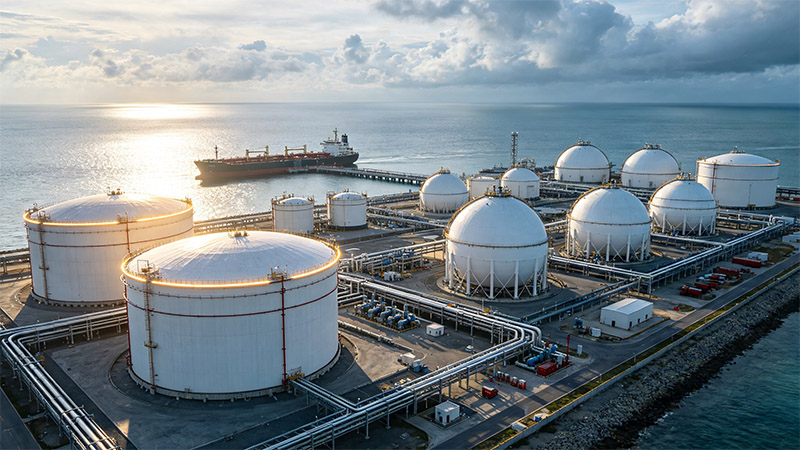
- Strategic Energy Reserves (The Baseline): Statutory regulations mandate that oil and gas enterprises maintain a 30-day net import reserve. However, the current national strategic petroleum reserve stands at just 7 days. To bridge this massive gap, Vietnam plans to build a total reserve capacity of 5.9 million tons, focusing on new, large-scale refined product tank farms at the Nghi Son Refinery and the Vung Tau port area. Furthermore, PV GAS will invest over 100 trillion VND from 2026 to 2030 to expand LNG terminal storage, scaling up the Thi Vai and Son My LNG terminals with cryogenic tanks of 100,000 to 180,000 cbm per station.
- Integrated Petrochemical Projects (The Largest Growth Driver): The continuous expansion of Long Son Petrochemicals (LSPE, with a $5 billion total investment) and Phase II of the Nghi Son Refinery has triggered a wave of new orders for atmospheric and pressure tanks handling ethane, chemicals, acids, and alkalis. Concurrently, foreign-funded chemical industrial parks in Ba Ria-Vung Tau, Binh Duong, and Hai Phong are driving an 18.7% investment growth rate in chemical storage tanks for liquid caustic soda, solvents, and high-purity electronic chemicals. Engineering, Procurement, and Construction (EPC) companies from China, South Korea, and Thailand continue to secure major turnkey contracts for cryogenic and specialized tanks.
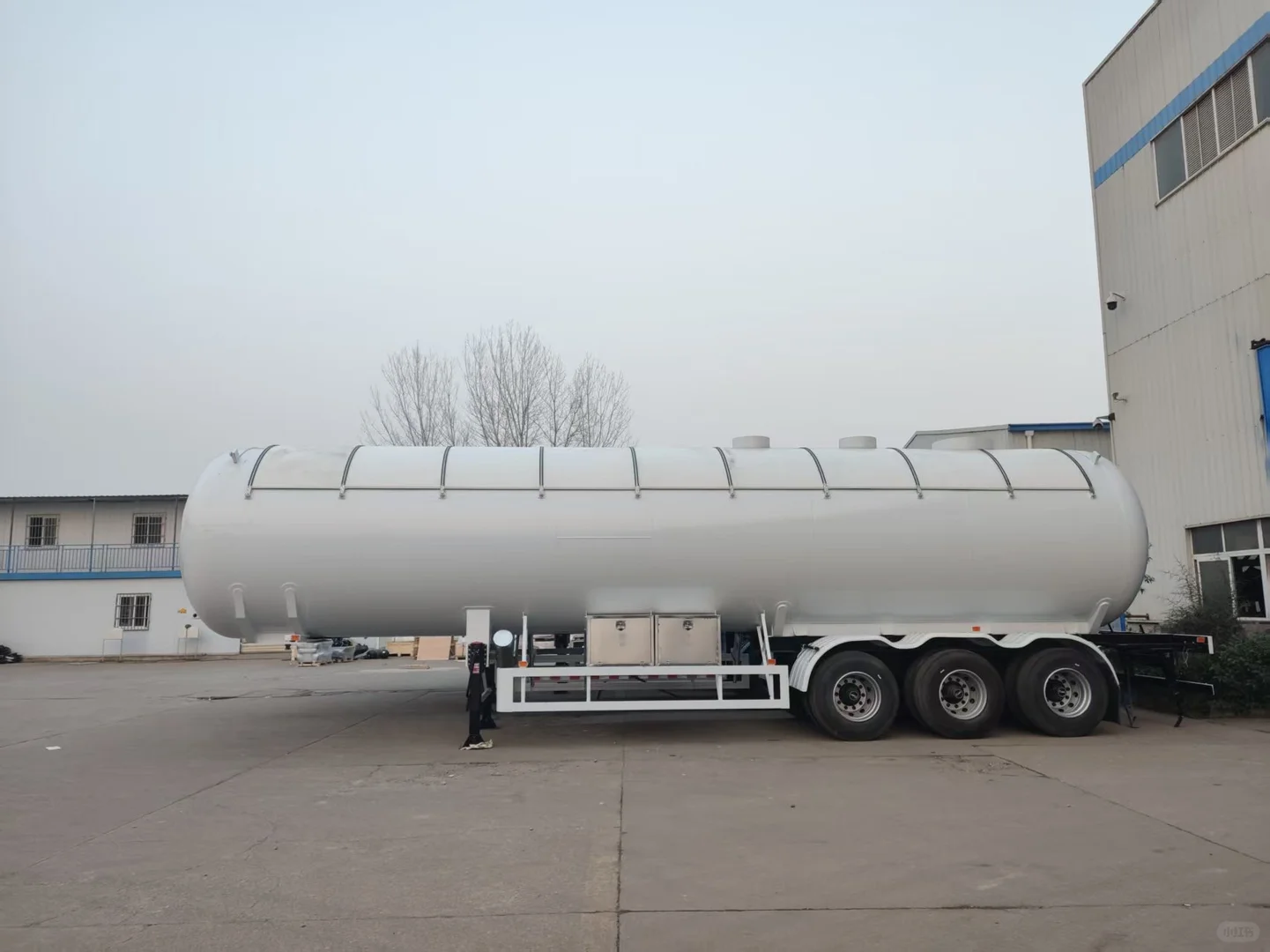
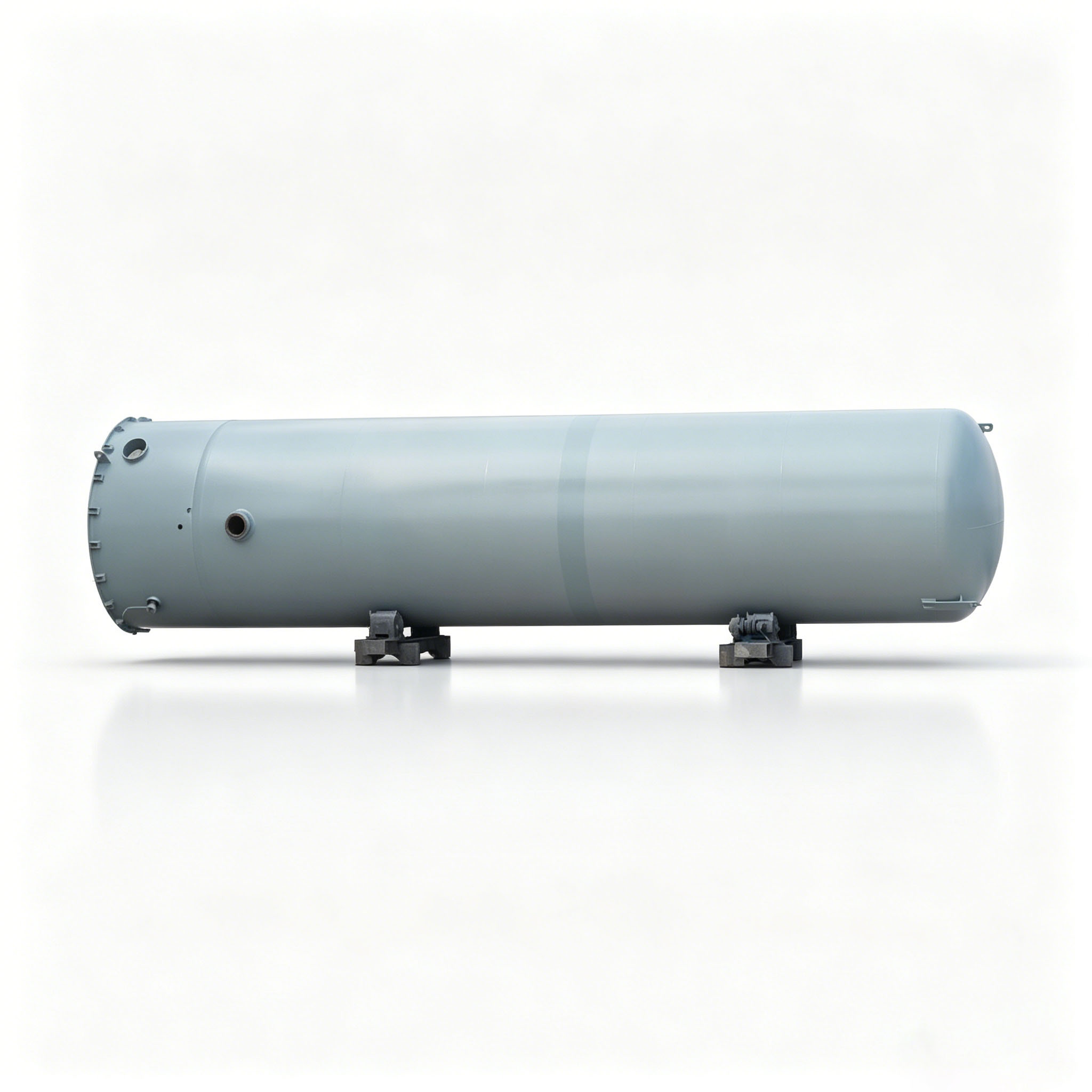
- LPG, Food, and Grain/Oil Storage (Stable, Non-Cyclical Demand): Booming palm oil and sugar exports are driving the expansion of food-grade storage tanks across southern ports. Meanwhile, urban gas distribution networks are rolling out small-to-medium horizontal LPG tanks and underground skid-mounted tanks nationwide.
- Emerging New Energy Storage (The Forward-Looking Increment): Pilot storage and transport projects for biodiesel, green methanol, and liquid ammonia are hitting the ground. Looking further ahead, atmospheric and high-pressure hydrogen storage tanks are expected to enter commercial planning after 2028.
2. Supply Side: Tiered Competition, Localized Low-End, and Foreign High-End Monopoly
- Local Manufacturers (Low-End Carbon Steel Atmospheric Tanks): Around 60 small-to-medium metal fabrication shops operate primarily in Ho Chi Minh City, Binh Duong, and Hai Phong. Limited to producing standard carbon steel atmospheric tanks for refined oil or grain, they lack the technical capability for cryogenic or specialized alloy fabrication. Caught in fierce price wars, their profit margins have plummeted below 8%.
- Foreign/Joint-Venture EPCs (Monopoly on High-End Cryogenic and Chemical Tanks):
- State-Owned Turnkeys: PV GAS and BSR dominate state-backed energy storage projects.
- International Engineering Firms: Companies from China (e.g., China National Chemical Engineering), South Korea (e.g., Samsung), Thailand (e.g., VSL), and Japan (e.g., Japex) sweep the contracts for complex LNG and ethane cryogenic prestressed tanks.
- Niche Foreign Players: Western enterprises hold a tight monopoly on high-purity semiconductor chemical tanks and corrosion-resistant, specialized stainless steel storage.
- Supply Chain Vulnerabilities: While standard carbon steel can be sourced locally from Hoa Phat Steel, Vietnam remains heavily dependent on imports from China, Japan, and South Korea for low-temperature high-strength steel, 316L stainless steel, corrosion-resistant alloys, thermal insulation materials, safety valves, and smart liquid-level monitoring instruments. Consequently, finished imports account for 63% of the high-end storage tank market.
3. Regional Distribution
Here is the regional breakdown organized into a scannable table, contrasting the primary focus, target industries, and capacity share of each region for easier comparison:
| Region | Capacity Share | Primary Industry Focus | Key Infrastructure & Target Projects |
| Southern Vietnam (Ba Ria-Vung Tau, HCMC) | 65% | LNG, Large Petrochemicals, & Commercial Warehousing | • Mega-scale petrochemical complexes • Large-scale LNG receiving terminals • Commercial port tank clusters |
| Central Vietnam (Nghi Son) | Focus Area | National Refining & Strategic Reserves | • Refining and chemical production hubs • National strategic crude oil reserve tank farms |
| Northern Vietnam (Hai Phong, Quang Ninh) | Industrial Supply | Regional Energy & Industrial Logistics | • Northern LNG import terminals • Mid-to-small chemical and food-grade tanks for industrial zones |
II. Core Industry Bottlenecks
Despite bright prospects, the Vietnamese storage tank industry faces several critical roadblocks:
1. Fragile Raw Material Supply Chains and Extreme Price Volatility
The primary cost component of high-quality storage tanks is steel (such as 304/316L stainless steel and high-strength specialized steel). Because Vietnam lacks domestic large-scale refineries for specialized steel, material prices are highly sensitive to shifting international trade dynamics and tariff policies.
- Specialized steel and cryogenic insulation materials are entirely imported. Long maritime shipping cycles and fluctuating global steel prices directly erode manufacturers’ bottom lines. Furthermore, Vietnam’s anti-dumping duties on Chinese cold-rolled steel have pushed plate procurement costs even higher.
- Local steel production only satisfies the demand for standard atmospheric tanks. There is a severe supply deficit of high-strength pressure vessel plates, leaving local fabricators with weak bargaining power to lock in long-term prices.
2. Domestic Technology Gaps and Absent High-End Capacity
Local Vietnamese enterprises are concentrated in low-barrier segments, such as standard carbon steel tanks, civil plastic tanks, or small-to-medium welded tanks.
- They lack core competencies in advanced automated welding and surface treatments (e.g., high-grade polishing and anti-corrosion coatings) required for hazardous chemical storage, high-pressure gas tanks (LNG/LPG), and high-purity food-grade processing tanks.
- Vietnam possesses no proprietary core technologies for LNG cryogenic tank prestressing or cold insulation, leaving mega-scale specialized projects entirely reliant on overseas EPCs.
- There is a severe shortage of certified talent in specialized welding, non-destructive testing (NDT), and advanced anti-corrosion. Coupled with manufacturing wages rising at 8%–10% annually, Vietnam’s labor cost advantage is waning.
- Regulatory friction is high. The co-existence of API 650, European (EN) standards, and local Vietnamese regulations complicates design and drives up compliance costs.
3. Protracted Policy and Approval Timelines
Government oversight regarding operational safety and environmental protection is tightening, particularly for chemical and oil storage.
- Obtaining Environmental Impact Assessments (EIAs) and safety approvals for chemical and LNG tanks takes an average of 14 months. Additionally, coastal land is scarce, and land acquisition compensation costs are rising annually.
- Local Content Requirements (LCR) pose another hurdle. State energy projects mandate a specific ratio of domestic manufacturing, forcing foreign EPCs into joint ventures or subcontracts with local players—a process that अक्सर extends project timelines and inflates management overhead.
- Stricter environmental rules now mandate double-walled tanks, online leak monitoring, and anti-seepage flooring. With old tanks facing a phased 3-year retirement mandate, existing enterprises face heavy capital pressure to upgrade.
4. Market Fragmentation and Severe Profit Polarization
Large-scale international storage tank manufacturers and integrated logistics providers from Europe, the US, Japan, South Korea, and China are aggressively building factories or establishing direct sales channels in Vietnam via Foreign Direct Investment (FDI). Armed with ample capital, advanced technology, and global client networks, they stifle the growth of local mid-to-high-end brands.
- Low-End Segment: Dozens of local shops engage in brutal price wars, suffering from elongated payment collection cycles and high bad-debt risks.
- High-End Segment: While technical barriers are high, clients are concentrated, and intense competition among foreign giants continues to compress overall EPC margins.
- Commercial Leasing: The commercial tank leasing market remains immature, and a lack of supporting financial instruments leaves small-and-medium chemical enterprises under severe cash flow strain to build their own facilities.
5. Infrastructure and Support Deficiencies
Inland logistics remain weak; transporting large structural components by road is heavily constrained by height and weight limits, and ports lack sufficient berths for handling heavy tank bodies. Moreover, local third-party providers for heavy lifting and NDT lack advanced capabilities, frequently forcing large projects to fly in overseas teams.
III. Medium-to-Long-Term Trends (2026–2035)
Looking forward, the industry will align with global digitalization and green energy transitions, manifested in seven major trends:
Trend 1: Cryogenic LNG Tanks Form the Primary Growth Engine
Under its 2050 carbon neutrality target, Vietnam is curbing its coal dependence and ramping up gas-fired power capacity. PV GAS plans to triple its LNG storage capacity between 2026 and 2030, building multiple ground-based prestressed cryogenic tanks ranging from 50,000 to 180,000 $m^3$. Concurrently, construction will begin on the Hai Phong terminal in the north and the new Binh Thuan LNG terminal in the south. High-efficiency cold insulation, full-concrete prestressed designs, and Boil-Off Gas (BOG) recovery systems will become standard, while Floating Storage and Regasification Units (FSRUs) will serve as short-term coastal supplements.
Trend 2: High-End Chemical Storage and Corrosion-Resistant Tanks Explode
The arrival of foreign-funded refineries and electronic chemical plants will generate a steady stream of orders for 304/316L stainless steel and composite-lined acid/alkali tanks. Simultaneously, the mandatory replacement of legacy single-walled tanks will unlock a multi-billion-dollar market for double-walled, anti-seepage tanks integrated with smart leak detection and explosion-proof automated control systems.
Trend 3: Localization via Sino-Foreign and Korean-Foreign Joint Ventures
To bypass tariffs and slash logistics costs, foreign EPCs are accelerating the setup of prefabrication plants in Binh Duong and Vung Tau. The emerging model relies on importing specialized plates and performing welding and assembly locally. Chinese and South Korean enterprises are actively transferring cryogenic fabrication technologies to local partners, establishing mid-market specialized capacity and gradually reducing finished tank imports.
Trend 4: Digitalization, Green Upgrades, and Aftermarket O&M Flourish
- Smart Tanks: The adoption rate of remote liquid level tracking, pressure indicators, online corrosion monitoring, and AI-driven safety warnings is expected to jump from 31% in 2025 to 67% by 2030.
- Green Retrofits: Low-emissivity anti-corrosion coatings, solar-powered tank farms, and closed-loop vapor recovery systems are becoming hard prerequisites in project bidding.
- Business Model Shift: Providers are pivoting from pure equipment sales to integrated “EPC + Long-term O&M + Tank Leasing” packages. Capacity leasing for small-to-medium industrial parks will see significant growth.
Trend 5: New Energy Segments Carve Out Fresh Pathways
In the short term, storage and transport facilities for green methanol and biodiesel will see rapid deployment. Beyond 2028, high-pressure and cryogenic tanks for liquid ammonia and hydrogen will transition into demonstration phases, forming a long-term secondary growth curve. In tandem, molten salt and hot water thermal storage facilities will expand alongside solar industrial parks.
Trend 6: Transitioning to Regional Logistics Hubs Boosts Commercial Warehousing
Leveraging the RCEP agreement, Vietnam aims to position itself as a petrochemical transit and storage hub for the Indochina peninsula. Vung Tau and Hai Phong are planning multiple million-cubic-meter public tank farms to handle re-export storage of oil and chemical products for Cambodia, Laos, and Thailand, driving up commercial tank utilization rates.
Trend 7: Standard Harmonization Accelerates Industry Consolidation
As Vietnam aligns its national codes with international API and EN standards, the entry barriers for welding, anti-corrosion, and fire safety will rise. Unlicensed, workshop-style fabricators will be phased out, forcing the market to consolidate around large-and-medium enterprises that possess end-to-end capabilities spanning design, prefabrication, and testing.
IV. Strategic Summary: Opportunities vs. Risks
Key Opportunities
- Dual Engines: The combination of industrialization and energy transition guarantees an estimated annual market growth rate of over 20% for the next five years.
- Import Substitution: Giant technology gaps in LNG, refining, and new energy segments offer massive opportunities for foreign equipment and EPC firms—especially Chinese outfits looking to go global.
- Tariff Tailwinds: RCEP tariff preferences offer distinct cost advantages for exporting steel and complete equipment sets to Vietnam.
Long-Term Risks
- Supply Volatility: Sustained price fluctuations in imported steel and specialized components could compress project margins.
- Regulatory Costs: Tighter environmental and safety mandates will continuously drive up compliance and retrofitting expenditures.
- Two-Way Competitive Squeeze: Foreign players risk getting bogged down in low-end price wars with local shops while facing intense rivalry from multinational giants in the high-end turnkey market.