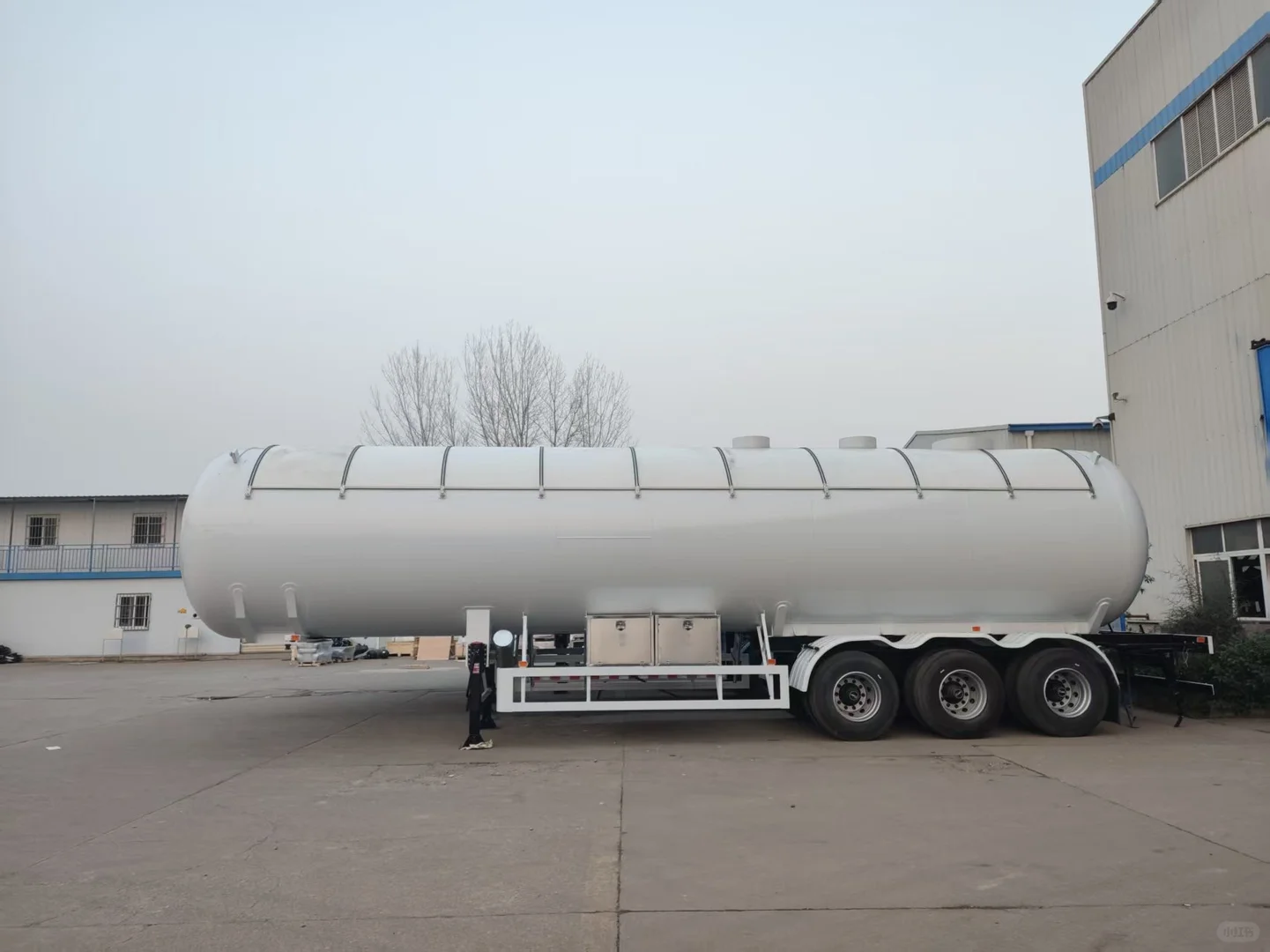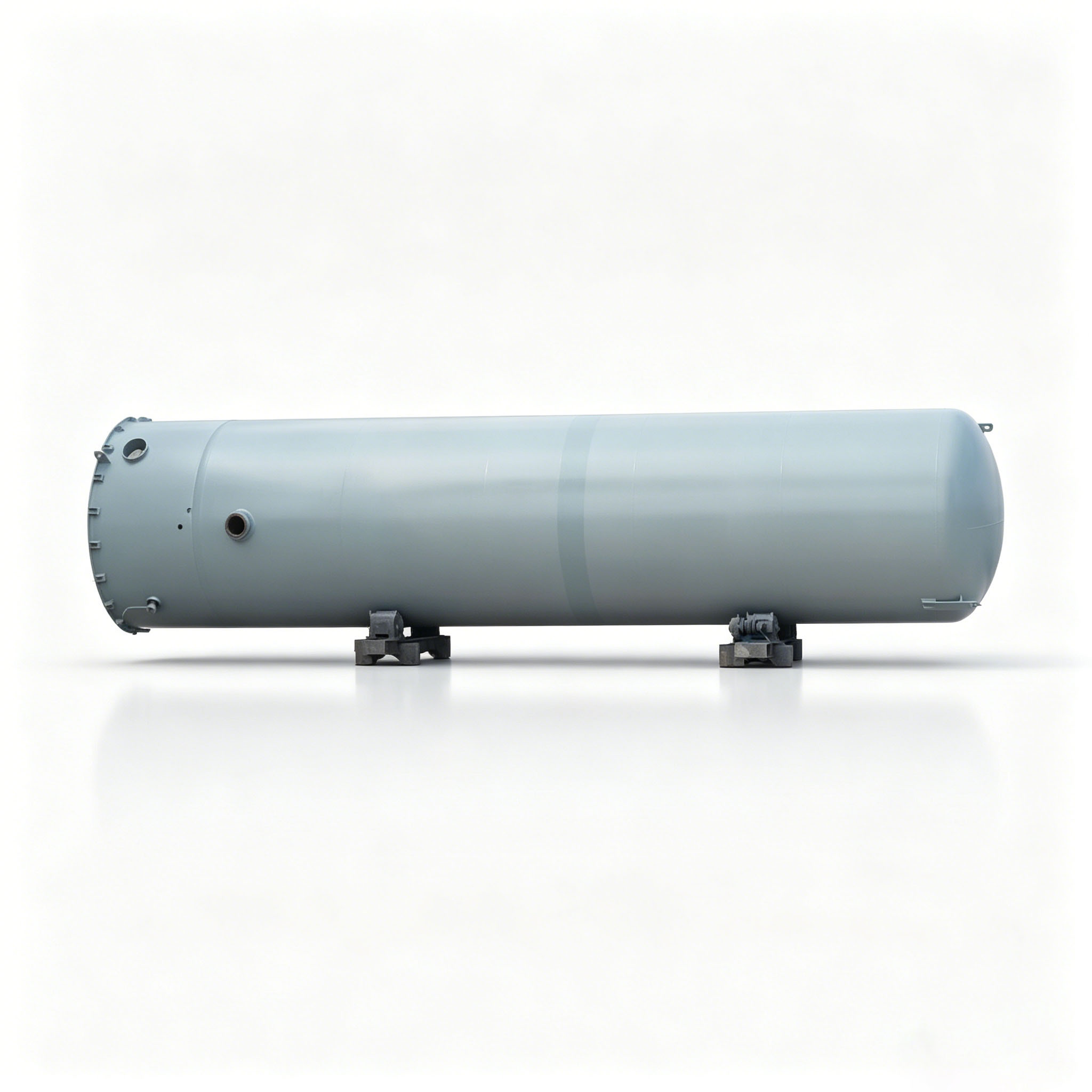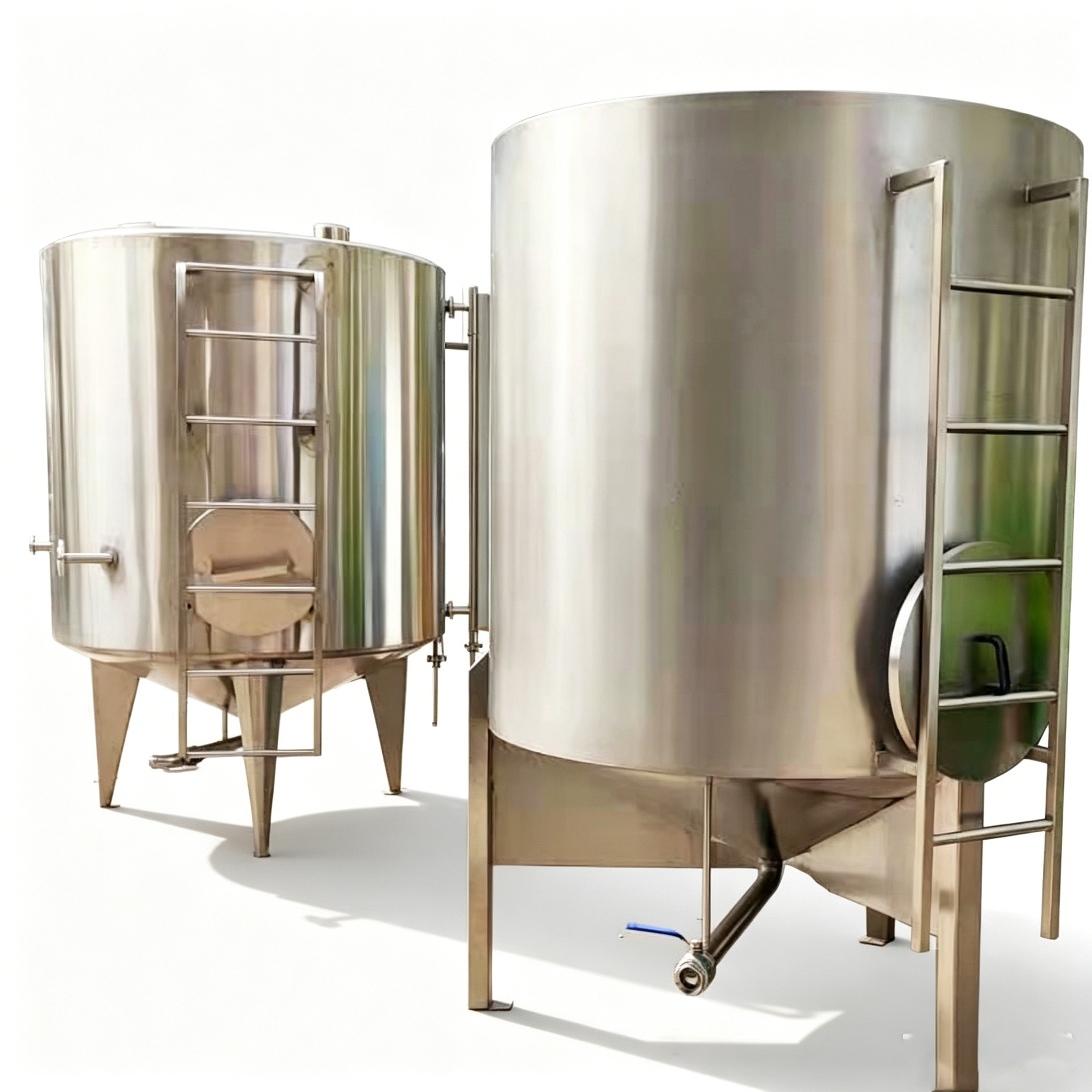
Palm oil has a melting point between 24°C and 40°C, depending on its refined fraction (such as olein or stearin). If the temperature drops too low, the oil solidifies and clogs the pumps. If it gets too hot, the oil oxidizes and turns rancid. To prevent these issues, palm oil storage tanks rely on a combination of passive thermal insulation and active heating systems to hold the oil at a steady 40°C to 55°C.
1. Thermal Insulation Structures (Passive Insulation)
Insulation keeps heat from escaping into the surrounding air. Here are the most common setups:
| Insulation Type | Structural Design | Pros | Cons | Ideal Use Cases |
| Rock Wool / Glass Wool + Metal Cladding (Most Common) | Rock wool or glass wool boards/blankets are wrapped around the tank, covered with aluminum, color-coated steel, or stainless steel sheets, and sealed with rivets. | • Class A non-combustible, safe, and heat-resistant • Cost-effective with proven reliability • Easy to remove and repair localized damage | • Absorbs moisture easily; water leaks drastically reduce insulation performance and cause Corrosion Under Insulation (CUI) | Medium to large vertical ground tanks |
| On-Site Polyurethane (PU) Spraying | Rigid polyurethane foam is sprayed directly onto the tank shell without seams, then coated with UV-resistant paint or an outer protective jacket. | • Extremely low thermal conductivity (top-tier insulation) • Seamless bond prevents moisture and cold bridges | • Lower flame resistance (typically Class B1/B2) • Degrades under long-term sunlight • Difficult to strip off during tank maintenance | Small to medium precise temperature tanks and liquid tanker trailers |
| Rubber Foam / Aerogel Composite Felt | Closed-cell rubber foam or aerogel felt is adhered to the tank shell and irregularly shaped components. | • Fits tightly; closed-cell structure naturally repels water and steam • Thin and lightweight | • Aerogel is very expensive • Rubber foam has a lower heat limit (usually below 105°C) | Tank valves, pipes, pumps, and transport tankers with strict space limits |
2. Heating and Heat Tracing Methods (Active Heating)
Insulation alone cannot stop oil from cooling down during long storage periods, so active heating systems are essential.
Internal Hot Water / Low-Pressure Steam Coils
- How it works: Stainless steel coils installed at the bottom of the tank transfer heat using circulating warm water or low-pressure steam.
- Pros: High thermal efficiency, fast heating, and low running costs.
- Cons: Minor coil leaks mix water into the oil, causing emulsification and spiking acidity. Excessively high coil temperatures can also scorch and ruin the oil locally.
Thermal Oil / Jacket Heating
- How it works: Heat transfers indirectly through double-walled jackets around the tank bottom/shell or through thermal oil coils.
- Pros: Exceptionally even heat, precise control, almost no risk of local scorching, and highly safe.
- Cons: High manufacturing and jacket costs, with slightly slower heating response times.
External Electric Heat Tracing (Self-Regulating / Constant Wattage)
- How it works: Heating cables run underneath the insulation along the outer wall, controlled automatically by a thermostat.
- Pros: Easy to install, zero risk of fluid leaks, and seamlessly integrates with smart temp control systems.
- Cons: High electricity costs. It works best for maintaining temperatures rather than rapidly melting large volumes of solidified oil.
Storage & Transport Recommendation:
For large and medium ground tanks, the most cost-effective setup combines rock wool/glass wool with metal cladding alongside hot water or low-pressure steam coils.
For tanker trailers or mobile equipment, a polyurethane foam or aerogel layer paired with electric heat tracing or engine waste-heat circulation is the ideal choice.
Related Posts: The Triple-Protection Thermal System for Palm Oil Transport