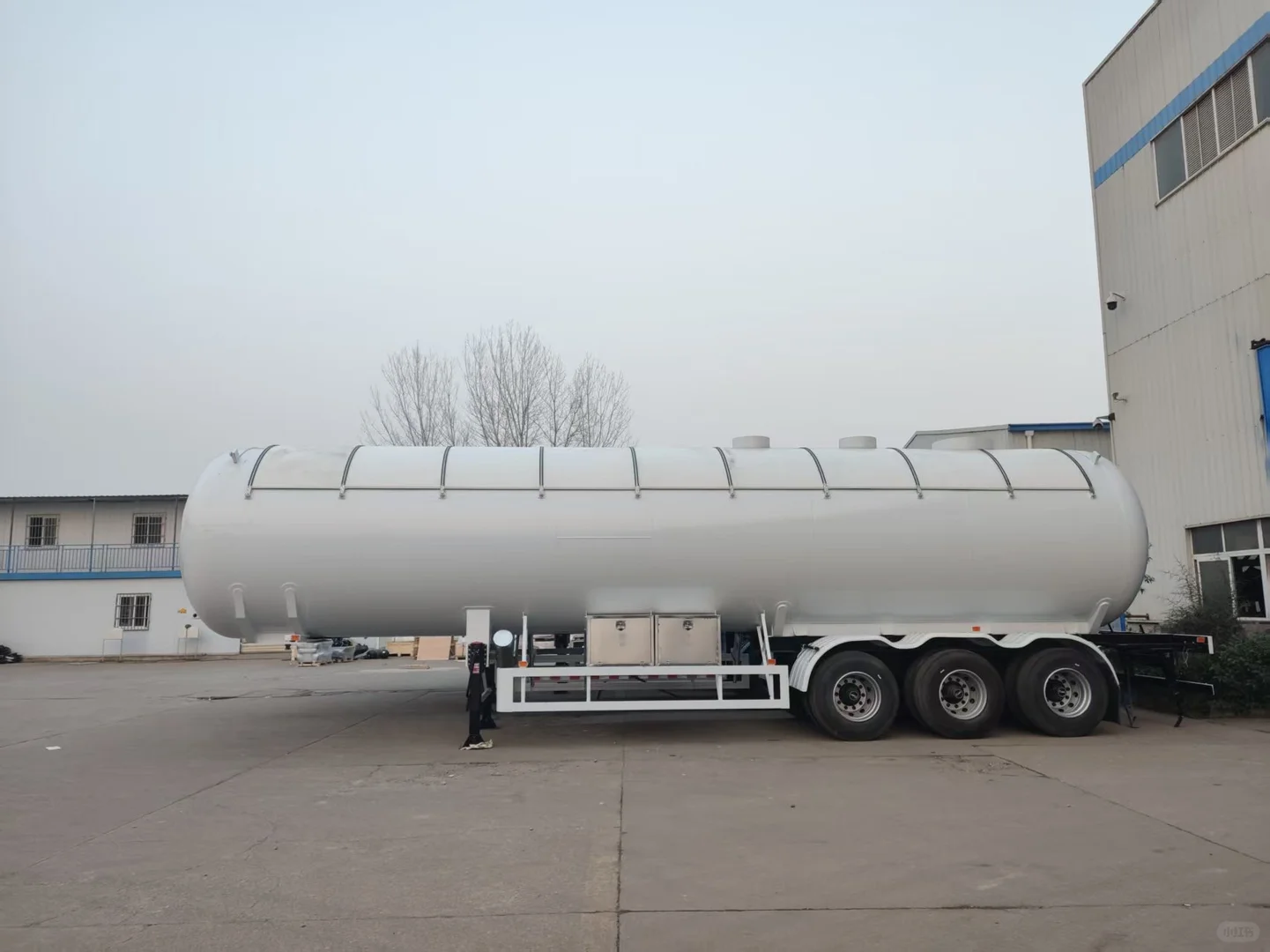
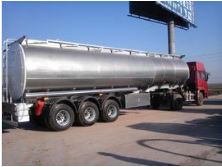
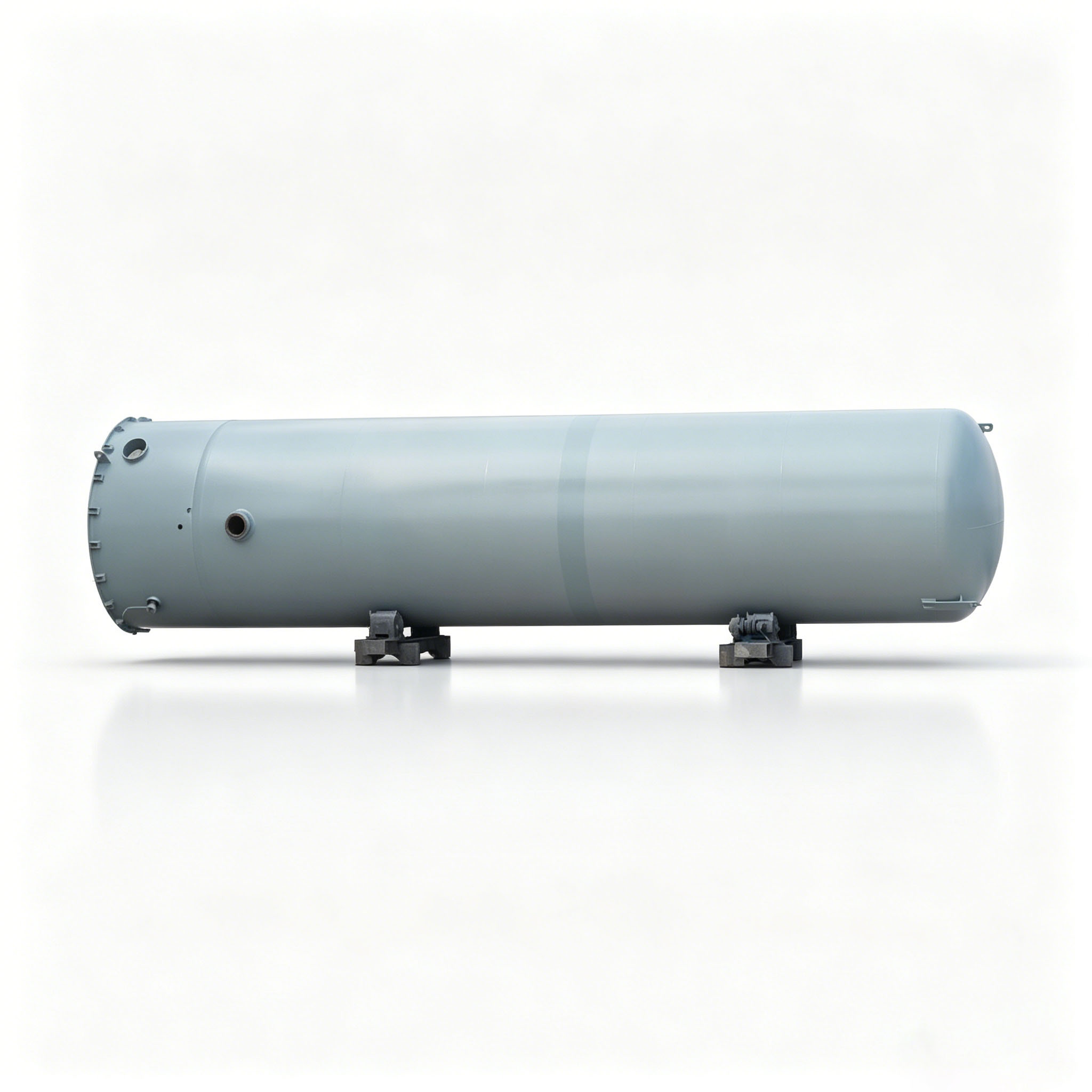
Transporting palm oil in semi-trailer tankers over long distances comes with three major hurdles: severe wind-chill at high speeds, strict weight limits, and no access to a fixed steam source along the highway. Because of this, its insulation and heating systems require far more precise engineering than a stationary storage tank. Manufacturers solve this with a triple-threat setup: lightweight insulation, on-the-go waste-heat recovery, and anti-thermal-bridge frame design.
1. Passive Thermal Insulation
When a tanker cruises down the highway, strong airflow constantly strips heat away. The insulation layer must stay lightweight, absorb road vibration, resist moisture, and stop heat loss in its tracks.
Polyurethane (PU) Foam
- How it works: Technicians inject high-pressure polyurethane foam into the space surrounding the inner tank (made of food-grade 304 or 316L stainless steel), creating an 80-100 mm thick rigid barrier.
- Why it matters: PU foam has a very low thermal conductivity ≈ 0.022 W/(m·K), keeping heat loss under 2℃-3℃ per 24 hours. Because the foam bonds directly to the tank, it won’t settle or create hollow air pockets from road bumps.
Aerogel Insulation Blanket (Premium Lightweight Option)
- How it works: On weight-sensitive tankers, a thin 10-20 mm aerogel blanket replaces part of the PU foam layer.
- Why it matters: Aerogel drastically cuts down insulation bulk and weight. This frees up extra payload capacity for cargo while delivering top-tier thermal insulation.
Outer Shell and Joint Sealing
The outer jacket uses 1.2 – 1.5 mm mirror-finish stainless steel or colored aluminum sheets. Rubber gaskets and waterproof sealant cap every seam, keeping rain out so the insulation layer stays dry and effective.
2. Active Heating and Mobile Tracing
Long-haul routes often pass through sharp climate changes, like driving from warm southern plains into freezing northern winters. Traffic delays can also freeze oil in place. An active heating system is a must.
Engine Coolant Heat Recovery
- How it works: Quick-connect hoses route hot coolant from the tractor engine directly into heating pipes under the trailer chassis.
- Why it matters: It burns zero extra fuel. Waste heat from the engine warms the tank floor during the drive, keeping the oil safely above $50^\circ\text{C}$ across thousands of miles.
Stainless Steel Steam Coils
- How it works: Installers lay two to four independent U-shaped stainless steel steam coils along the bottom of the tank (roughly 20 – 30 mm off the floor). Quick-connect ports sit in the side or rear valve box.
- Why it matters: If the oil thickens slightly during transit, workers hook the coils up to the facility’s steam line upon arrival. Steam quickly melts solidified palm oil within one to two hours for a smooth discharge.
Standalone Diesel Heater
- How it works: A small diesel heater attaches right to the trailer frame alongside a coolant pump. It heats antifreeze and circulates it through a jacket at the bottom of the tank.
- Why it matters: It works completely independent of the truck engine and offloading facilities. Drivers can leave it on automatic mode to maintain target temperatures during overnight rests or long waiting lines.
3. Thermal Bridge Prevention and Anti-Clogging Details
Even a well-insulated tank can lose heat through small metal-to-metal contacts. These “thermal bridges” chill the oil near valves, causing stubborn blockages right at the exit point.
| Critical Zone | Targeted Solution |
| Saddle Mounts & Supports | High-strength hardwood or phenolic resin pads fit between the tank and trailer frame. This breaks metal-to-metal contact and blocks cold-bridging into the chassis. |
| Discharge Valve Box | Discharge valves stay enclosed inside an insulated box. Premium setups add electric heating tape or extend steam pipes directly around the valve body to prevent end-of-line freezing. |
| Baffles & Manhole | The manhole uses a double-layer insulated cover. Perforated surge baffles inside the tank prevent sloshing while allowing hot oil to circulate freely via natural convection. |
Related Post: How to Choose the Right Heating and Insulation for Palm Oil Tanks