Hormuz goes sideways, and the entire global energy supply chain gets a massive heart attack on the spot. You think it’s got nothing to do with you? If that place so much as sneezes, anyone in the LPG and LNG storage tank business will be staring at the ceiling all night.
Don’t look at this through some textbook macroeconomics lens. Let’s be real—it’s a brutal domino effect, so let’s talk shop.
Keeping the Lights On? Look at the Buyers Going Nuts First
If the strait gets choked, Qatar’s LNG can’t get out. What do you think those Asian and European buyers—already starving for energy—are going to do?

Wire the cash! Grab whatever they can get their hands on!
If you don’t have some serious storage infrastructure sitting around at that exact moment, you’re just left holding the bag.
1. Strategic Reserves. Ever Heard of It?
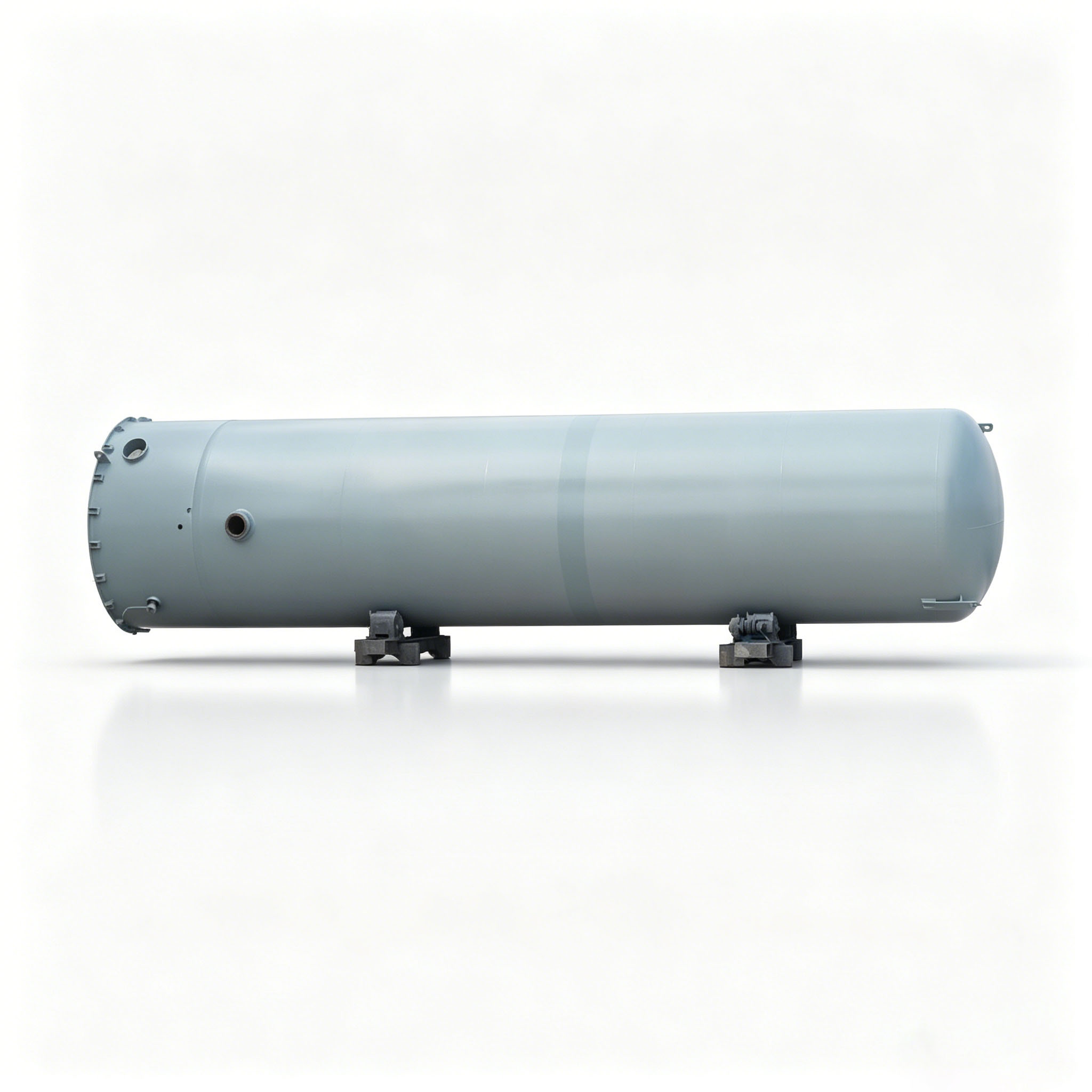
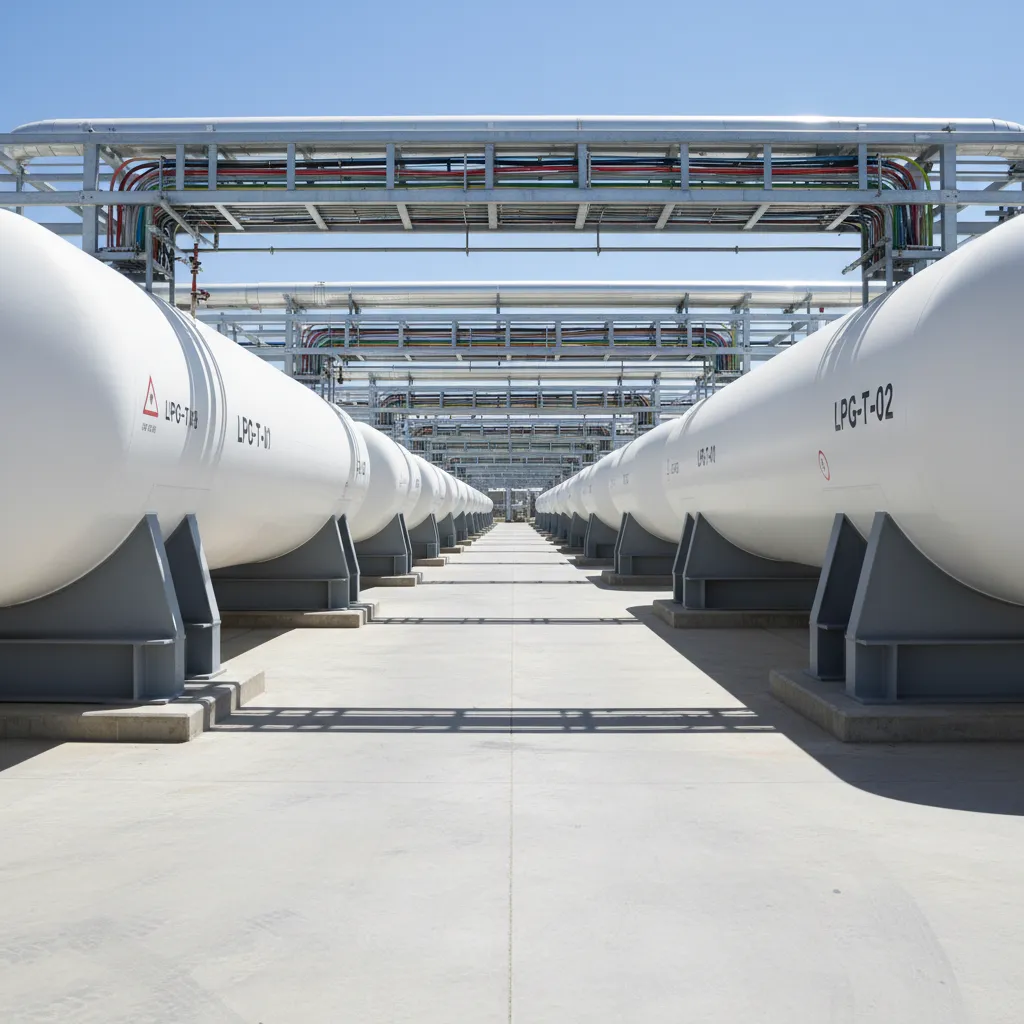
Those penny-pinching importers completely flip their script. To avoid getting cut off, they start frantically building massive storage terminals. Suddenly, large stationary LNG tanks become the hottest commodity on the market. They want peace of mind, and nobody has time to haggle over three or five percentage points on the contract. The guy who can deliver right now is king.
2. Shift the Routes, Scramble the Gear
With the Middle East blocked, everyone scrambles to hug the shores of the US and Africa.
But think about it—the shipping lanes just got stretched thin. The old transport capacity can’t keep up. The fix?
Buy tanks!
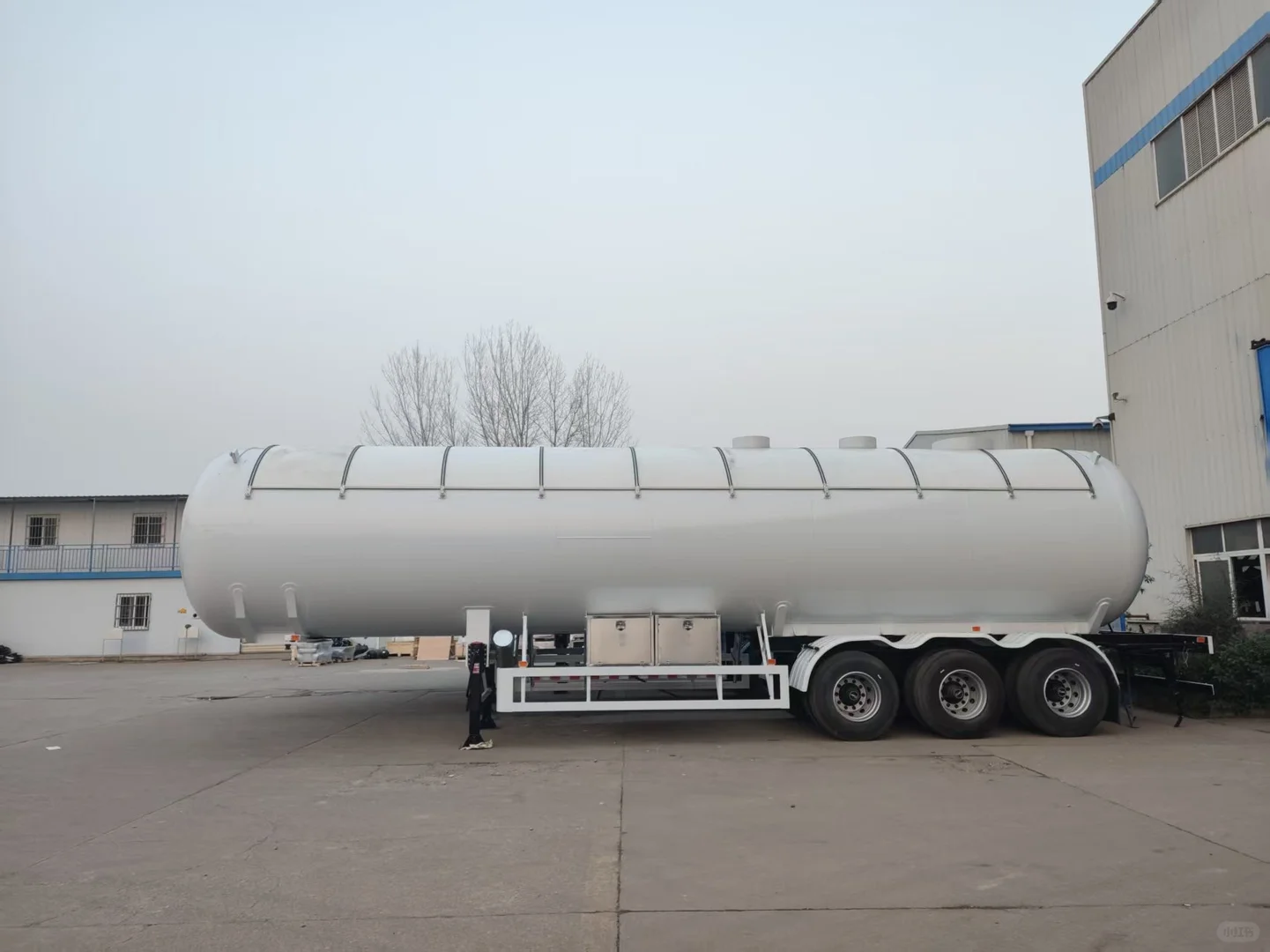
Prices for ISO tanks and LPG/LNG road tankers skyrocket instantly. If you have ready-to-ship tank containers in your yard, you can walk into any negotiation room and dictate terms.
3. Local Big Shots Freak Out Too
Those Middle Eastern tycoons can’t just shut down their wells the minute the strait closes, right? The gas can’t move, so they have no choice but to cram it into whatever they can find locally. That triggers a freak spike in local demand for industrial spheres and emergency storage tanks. Interestingly, this is pure panic buying.
Manufacturers, Don’t Pop the Champagne Yet. It’s a Minefield
Seeing demand go through the roof, you probably think tank manufacturers are about to make a killing, right?

Wake up. Nothing in this life comes that easily.
1. Raw Materials Will Bleed You Dry
Oil prices spike, and global inflation takes off right behind it. What do you need to build a tank? 9% nickel steel, stainless steel, specialized cryogenic plates—the prices of these core materials jump faster than a cracked whip.
To be completely honest, if you locked in your sales contract too early and material costs double, what do you do? Finish the order and call it charity, or walk away and get sued into oblivion? It’s enough to give you an ulcer.
2. Freight and Lead Times Will Ruin Your Life
Take a massive order I handled a few years back. The cargo was sitting on the dock ready to go, but ocean freight rates were changing by the hour. You couldn’t book a slot to save your life, and insurance premiums were daylight robbery.
You can’t use Hormuz, and you have to dodge the Red Sea and the Suez Canal too, so you end up routing all the way around the Cape of Good Hope.
That little detour eats up nearly a month.
The client is blowing up your phone every single day demanding their shipment, while you’re screaming at the freight forwarder across the desk. Who can survive that kind of cash flow stranglehold?
3. The Bar Goes Up. Chancers Get Booted Out
The more chaotic things get, the sharper those picky overseas buyers become. They’re sick of getting burned. Their equipment has to float on the ocean for much longer, so you think they won’t tighten the screws on quality?

ASME and CE-PED certifications become your basic ticket to the game. Those small, uncertified backyard shops trying to survive on low-ball pricing get wiped out on the spot. However, for established OEM heavyweights with twenty-odd years in the game and a full rack of credentials,
At the end of the day, when Hormuz flares up, it’s a torrential downpour for our industry. The weak players catch a fatal cold. The ones who came prepared lock in their steel costs early, pivot to alternative logistics routes, and leave their competitors eating dust.
Are you dealing with orders stuck in transit right now, or are you eyeing supply gaps in the Middle East or Southeast Asia to make a killing? Stop playing your cards close to your chest—give me the real picture, and let’s figure out your next move.